
Y2
Geometry
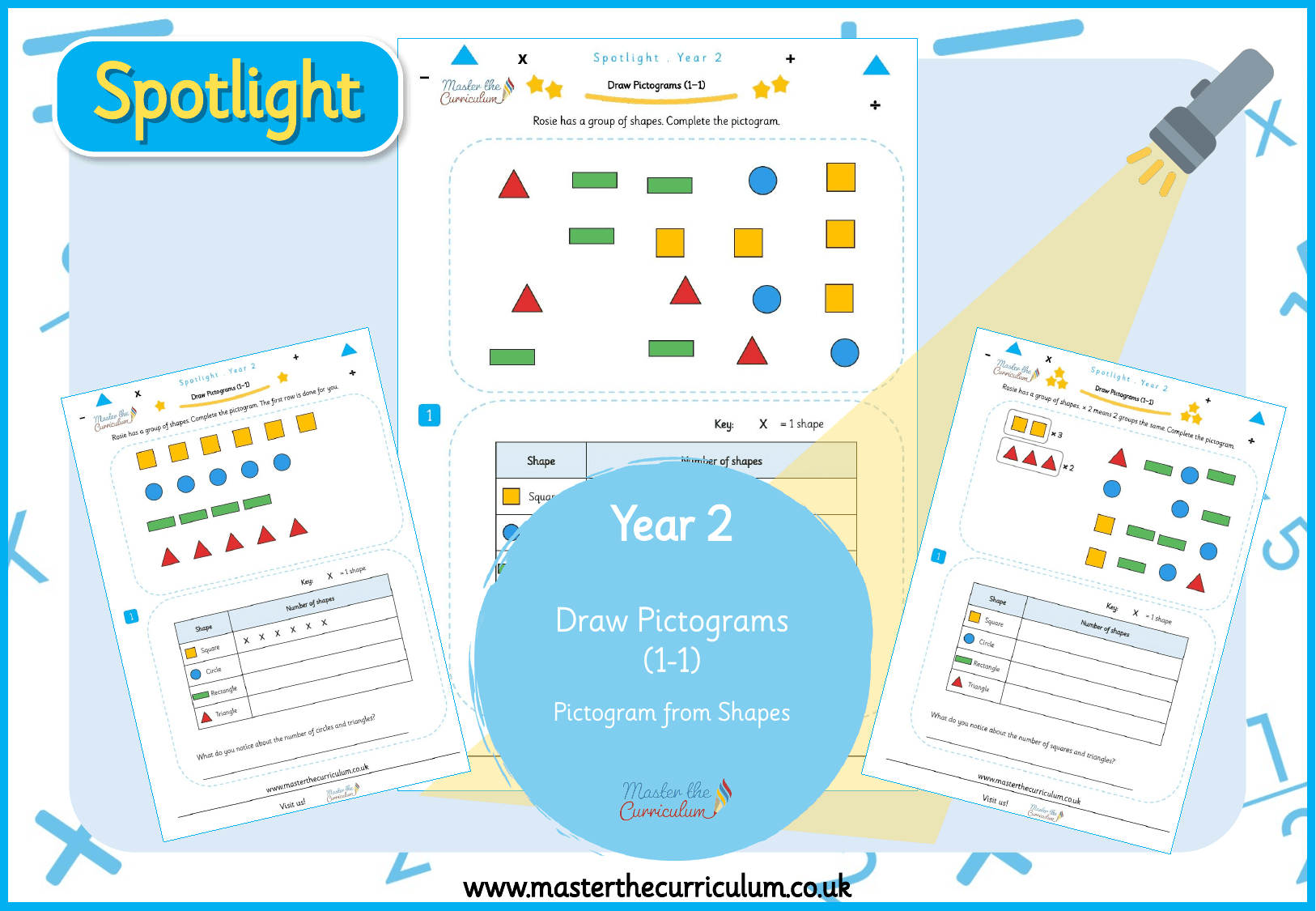
Spotlight Y2 Draw Pictograms: Pictogram from Shapes
masterthecurriculum.co.uk
3 levelsIncluded with membership
Trusted by primary teachers across the UK · New resources every week
A festive Year 2 Christmas 3D Shapes worksheet helping children identify, name, sort, compare and describe common 3D shapes, including spheres, cubes, cuboids, cones, cylinders and pyramids. Children practise recognising faces, edges and vertices using familiar Christmas objects and decorations. Perfect for Year 2 maths, Christmas lessons, shape revision and independent practice.
Preview only. The download is one file, listed in full below.
Every page is shown before you download. The files themselves come with membership, or sign in if you already have one.
Included with membership
Unlock with membershipAlready a member? Sign in and it downloads from this page.
Keep it for later and group it with the rest of the block. No account needed to start.
Make learning about 3D shapes fun and festive with this engaging Year 2 Christmas 3D Shapes worksheet. Designed to support the Year 2 Maths curriculum, this Christmas-themed activity helps children identify, name, sort, compare and describe common 3D shapes while developing their understanding of faces, edges and vertices. Using familiar Christmas objects and decorations, children explore a range of 3D shapes including spheres, cubes, cuboids, cones, cylinders and pyramids. The festive context makes abstract shape vocabulary more meaningful and provides opportunities for children to recognise 3D shapes in everyday and seasonal objects. The worksheet includes four scaffolded activities that gradually build children's confidence and mathematical reasoning: Match real objects to 3D shapes – Children match familiar Christmas objects such as baubles, presents, crackers and tree toppers to their corresponding 3D shapes. Count and compare shapes – Children practise counting groups of shapes, developing visual recognition, subitising and comparison skills. Describe 3D shape properties – Children use clues about faces, edges and vertices to identify the correct shape. Apply and reason about shapes – Children use their knowledge of 3D shape properties to compare and explain their thinking. Learning Objective Children will identify and name common 3D shapes and describe their properties, including the number of faces, edges and vertices. They will recognise 3D shapes in real-world Christmas contexts and apply their understanding when sorting, comparing and reasoning about shapes. Curriculum Link This resource supports the Year 2 Geometry – Properties of Shapes curriculum objective: Identify and describe the properties of 3D shapes, including the number of edges, vertices and faces. Key Teaching Points For the best learning experience, introduce the worksheet using real 3D objects before children begin. Christmas decorations, baubles, boxes, crackers and other classroom objects
This pack is print and go. Our catalogue does not list an editable copy of it, so none is offered here rather than promising a file nobody has opened. Page counts are not printed either, because we do not publish them and a guessed number is worse than none.
Geometry
masterthecurriculum.co.uk
3 levels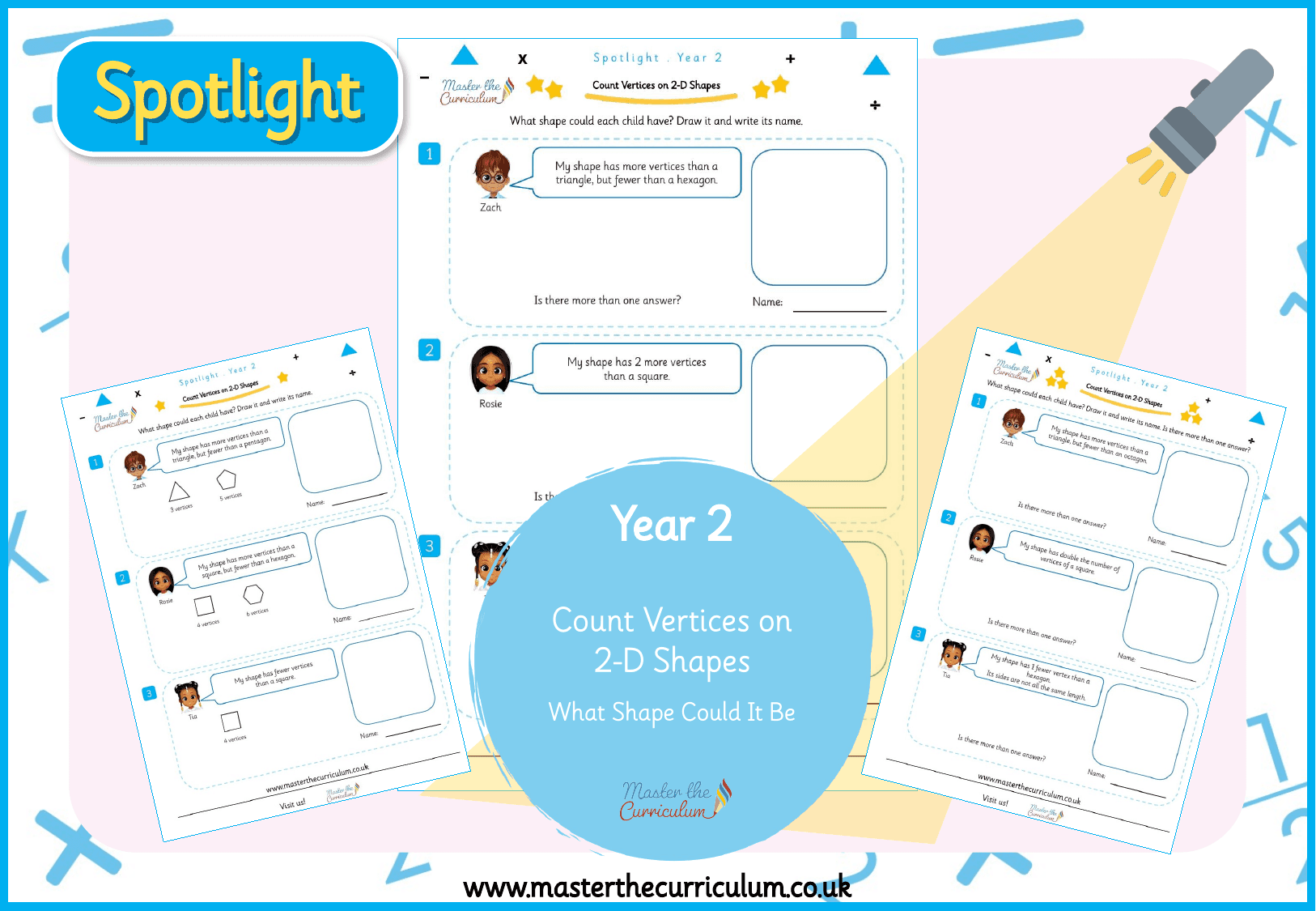
Geometry
masterthecurriculum.co.uk
3 levels
Geometry
masterthecurriculum.co.uk
3 levels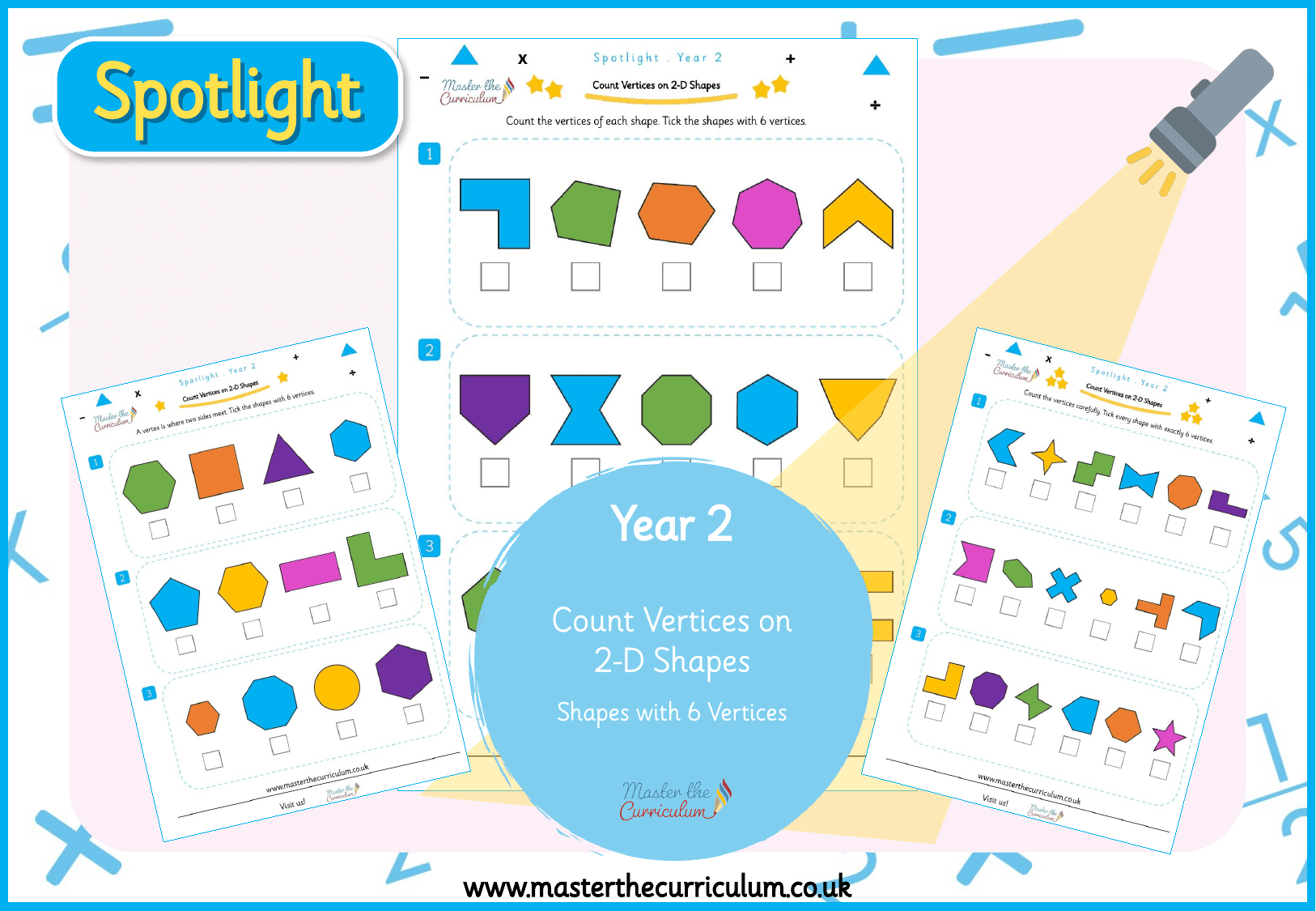
Geometry
masterthecurriculum.co.uk
3 levels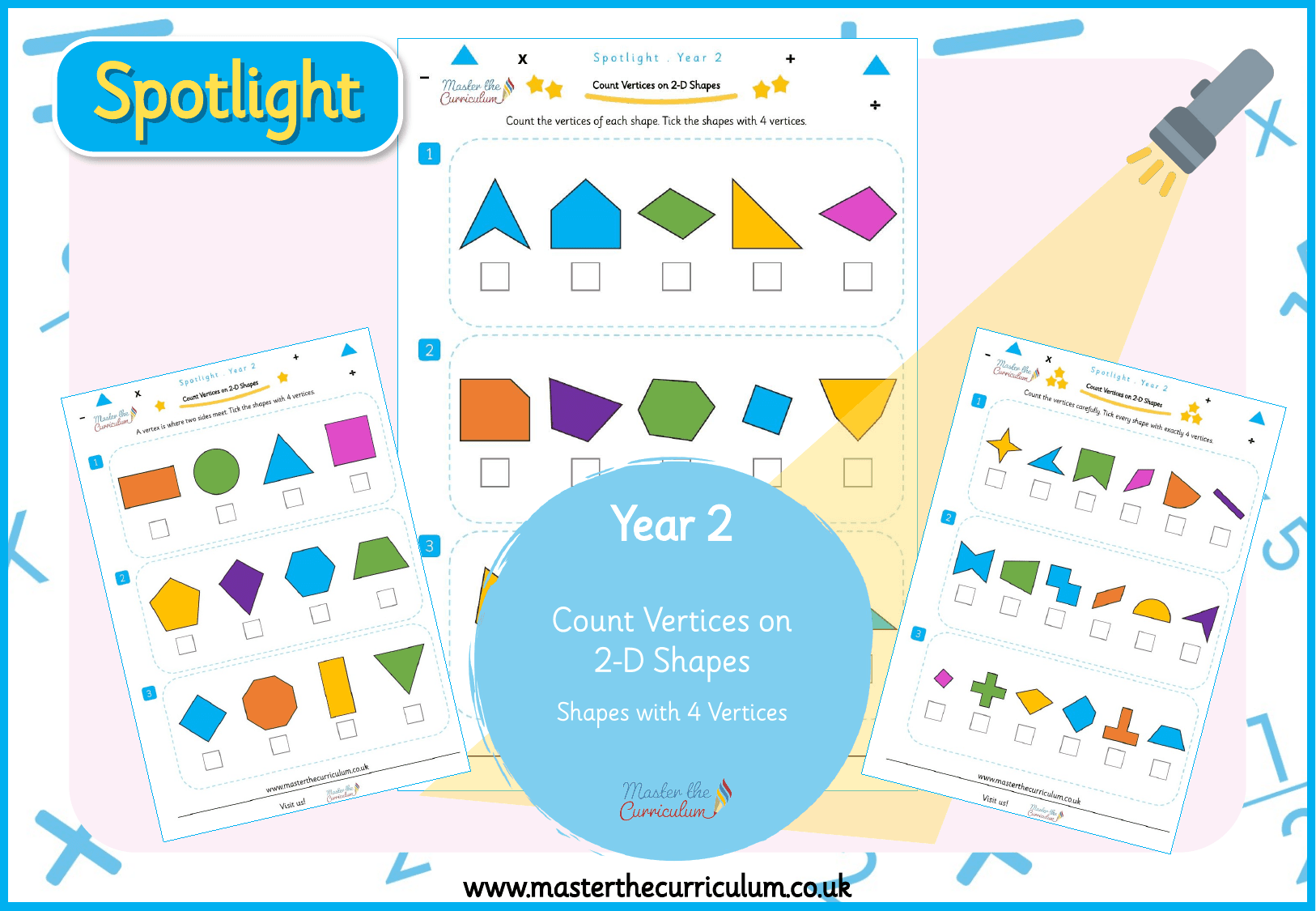
Geometry
masterthecurriculum.co.uk
3 levels
Geometry
masterthecurriculum.co.uk
3 levels
Geometry
masterthecurriculum.co.uk
3 levels
Geometry
masterthecurriculum.co.uk
3 levels