

Y2
Measurement
Spotlight Y2 Notes or Coins: Who Has More Money?
masterthecurriculum.co.uk
3 levelsIncluded with membership
Trusted by primary teachers across the UK · New resources every week
An active Year 2 maths lesson where children measure and compare short time intervals using stopwatches. Through fun, practical activities, pupils develop an understanding of seconds, minutes, and hours — perfect for teaching time without worksheets!
Preview only. The download is 4 files, listed in full below.
Every page is shown before you download. The files themselves come with membership, or sign in if you already have one.
Included with membership
Unlock with membershipAlready a member? Sign in and it downloads from this page.
Keep it for later and group it with the rest of the block. No account needed to start.
This Year 2 Working Without Worksheets lesson introduces children to the concept of time intervals — how long things take — through hands-on, practical learning. Aligned with the Year 2 National Curriculum, this engaging session helps pupils explore seconds, minutes, and hours using real-life examples and timed challenges that bring maths to life. The lesson begins with a whole-class discussion exploring what children already know about time. Pupils share examples of when time matters — from when school starts to how long a cake takes to bake. Using clear examples and visuals, children learn to connect time to their everyday experiences, recognising when to use seconds, minutes, or hours. In the interactive introduction, children experiment with stopwatches to develop a sense of duration. They predict and measure how long familiar tasks take — clapping 10 times, saying the alphabet, or estimating 10 seconds and one minute. This builds both estimation and measurement skills in a fun and memorable way. During the main activity, pupils work in pairs to time a selection of short activities using stopwatches. They record how long each one takes and then order the activities from shortest to longest, comparing results and reasoning about why some tasks take more time than others. The plenary encourages children to consolidate their understanding by discussing everyday activities and deciding whether they would take seconds, minutes, or hours. This reinforces the concept of time intervals and helps pupils apply it to the real world. This lesson is ideal for developing practical maths fluency, reasoning, and scientific thinking, while staying true to the Working Without Worksheets approach — hands-on, talk-rich, and engaging. What’s Included in the Pack ✔ Full lesson plan with learning objectives, key questions, and differentiation ideas ✔ Animated teaching slides introducing seconds, minutes, and hours ✔ Starter: Class discussion about the meaning and importance of time ✔
This pack is listed as editable, so the editable copy comes with it. We do not print page counts here, because our catalogue does not publish them and a guessed number is worse than none.
Our own system, with the star count repeated in every worksheet header so a child can be handed the right sheet without a word.
Measurement, Year 211 numbered lessons
Measurement
masterthecurriculum.co.uk
3 levels
Measurement
masterthecurriculum.co.uk
3 levels
Measurement
masterthecurriculum.co.uk
3 levels
Measurement
masterthecurriculum.co.uk
3 levels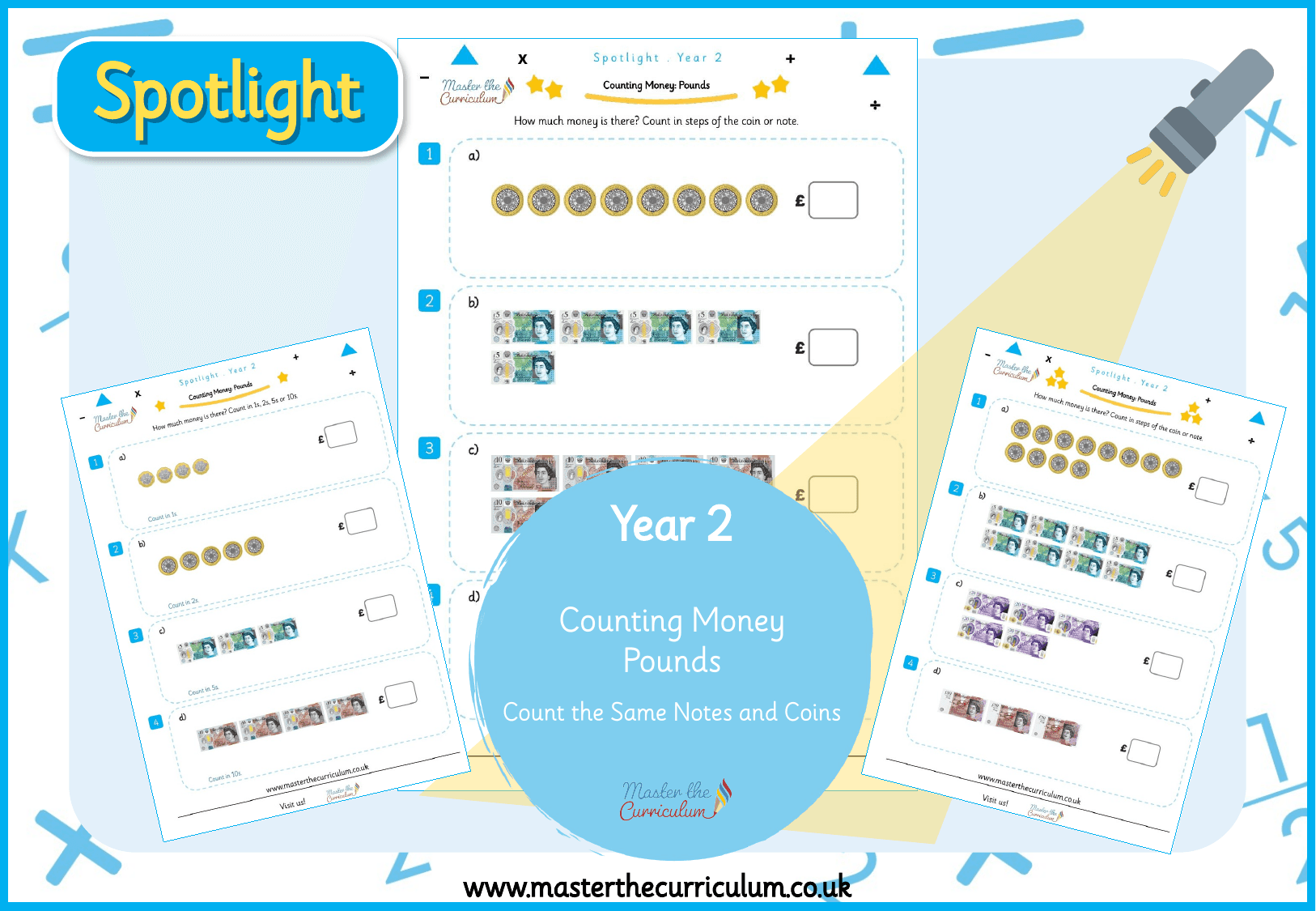
Measurement
masterthecurriculum.co.uk
3 levels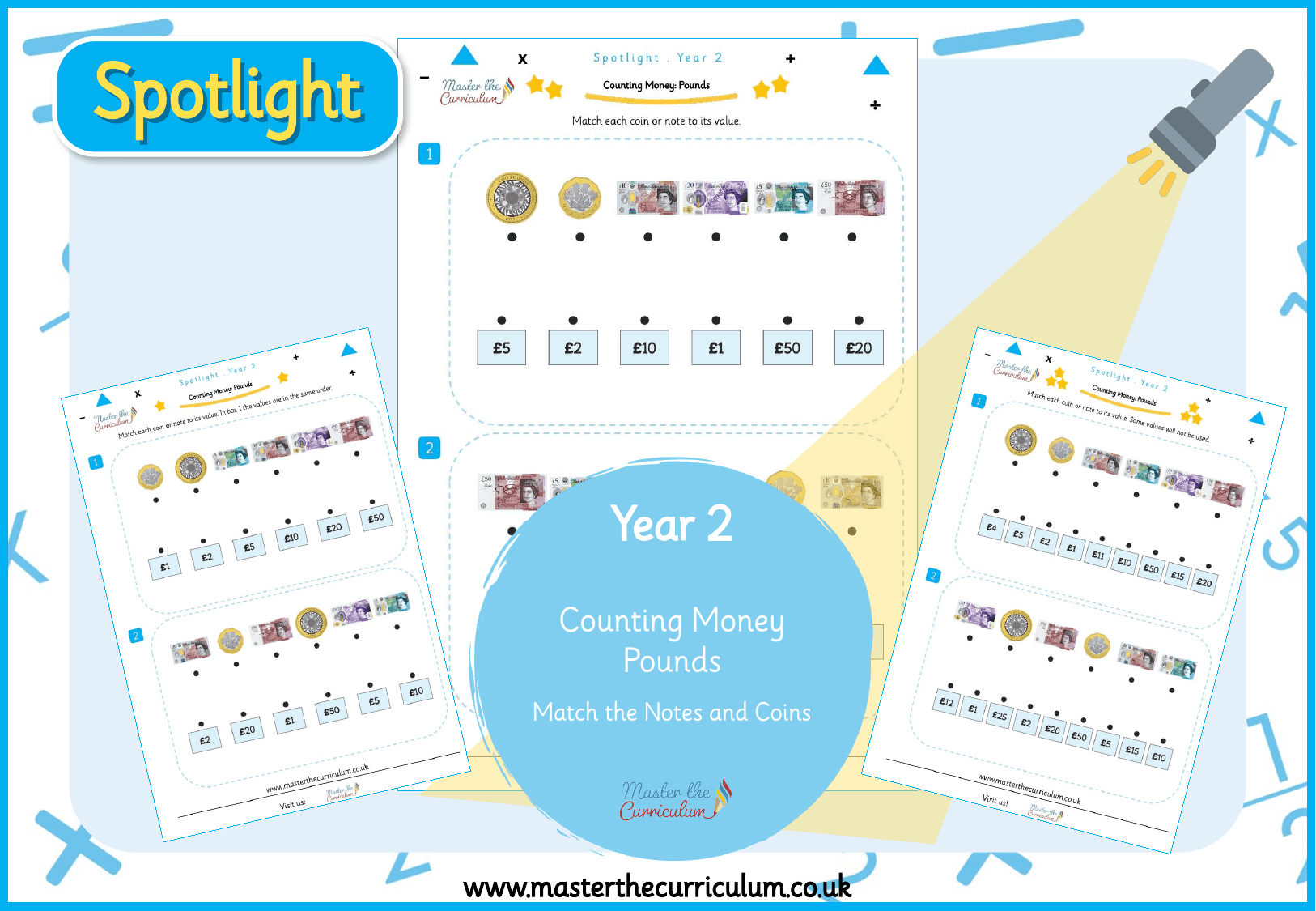
Measurement
masterthecurriculum.co.uk
3 levels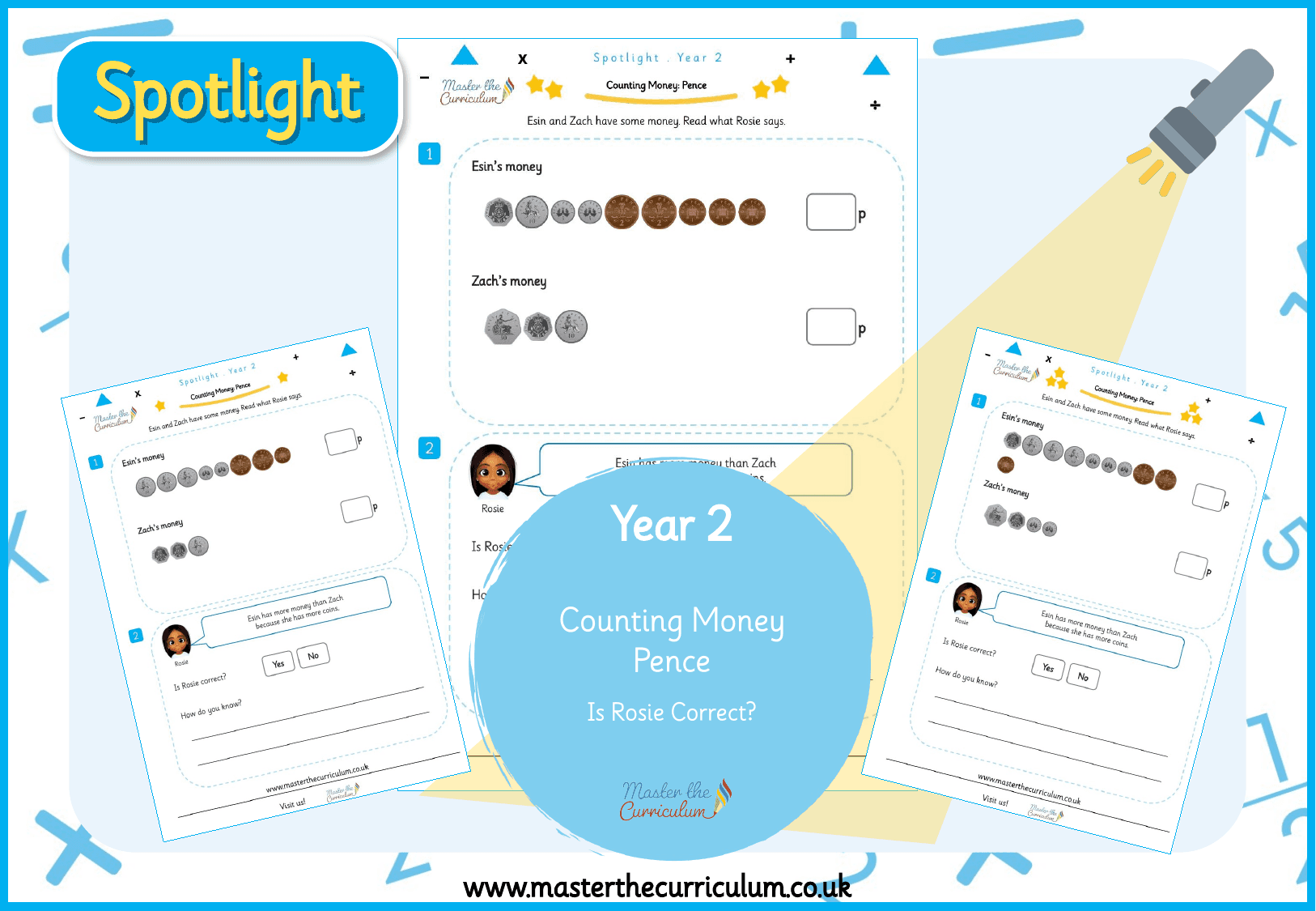
Measurement
masterthecurriculum.co.uk
3 levels
Measurement
masterthecurriculum.co.uk
3 levels