

Y2
Measurement
Spotlight Y2 Notes or Coins: Who Has More Money?
masterthecurriculum.co.uk
3 levelsIncluded with membership
Trusted by primary teachers across the UK · New resources every week
Year 2 lesson on money symbols (£ and p). Children explore coin values, combine coins to make amounts, and role-play shopping. Includes plan and slides.
Preview only. The download is 4 files, listed in full below.
Every page is shown before you download. The files themselves come with membership, or sign in if you already have one.
Included with membership
Unlock with membershipAlready a member? Sign in and it downloads from this page.
Keep it for later and group it with the rest of the block. No account needed to start.
Year 2 Spring Term Measurement – Lesson 8: Money Symbols Lesson Overview: In this Working Without Worksheets lesson, Year 2 pupils are introduced to money symbols (£ and p) and the values of coins. The lesson begins with a discussion about how we use money to buy things, followed by exploring real coins and their written symbols. Children learn that £1 equals 100p and practise identifying and saying coin values aloud. They then move on to recognising price tags with pounds and pence, and combining coins to make different amounts of money. Through hands-on activities, children sort coins, role-play shopping, and practise recording amounts accurately, while addressing common misconceptions such as writing symbols incorrectly or confusing pounds and pence. What’s Included in the Pack? ✔ Full lesson plan with clear objectives, teaching notes, and plenary guidance ✔ Animated teaching slides introducing £ and p symbols and coin values ✔ Starter: Explore what money is used for, and introduce coins with £ and p symbols ✔ Teaching input: Model combining coins and recognising amounts with pounds and pence ✔ Main activity: – Sort coins into groups of the same value – Role-play shopping using price tags and coins, working in pairs as customers and shopkeepers ✔ Plenary: Discuss strategies for checking amounts and identifying the correct symbols ✔ Guidance on misconceptions: £ vs p, symbol position, comparing values (£1 vs 99p) ✔ Practical, interactive, and worksheet-free learning Why Teachers Love This Resource ✔ Clear introduction to money symbols and values of coins ✔ Hands-on activities make abstract currency concepts real and engaging ✔ Role-play shop game encourages teamwork and active learning ✔ Tackles common misconceptions about pounds and pence explicitly ✔ Fully aligned with Year 2 National Curriculum objectives and Working Without Worksheets pedagogy Curriculum Links (Year 2 Measurement, National Curriculum) This lesson helps children to: ✔ Recognise and use symbols
This pack is listed as editable, so the editable copy comes with it. We do not print page counts here, because our catalogue does not publish them and a guessed number is worse than none.
Measurement, Year 211 numbered lessons
Measurement
masterthecurriculum.co.uk
3 levels
Measurement
masterthecurriculum.co.uk
3 levels
Measurement
masterthecurriculum.co.uk
3 levels
Measurement
masterthecurriculum.co.uk
3 levels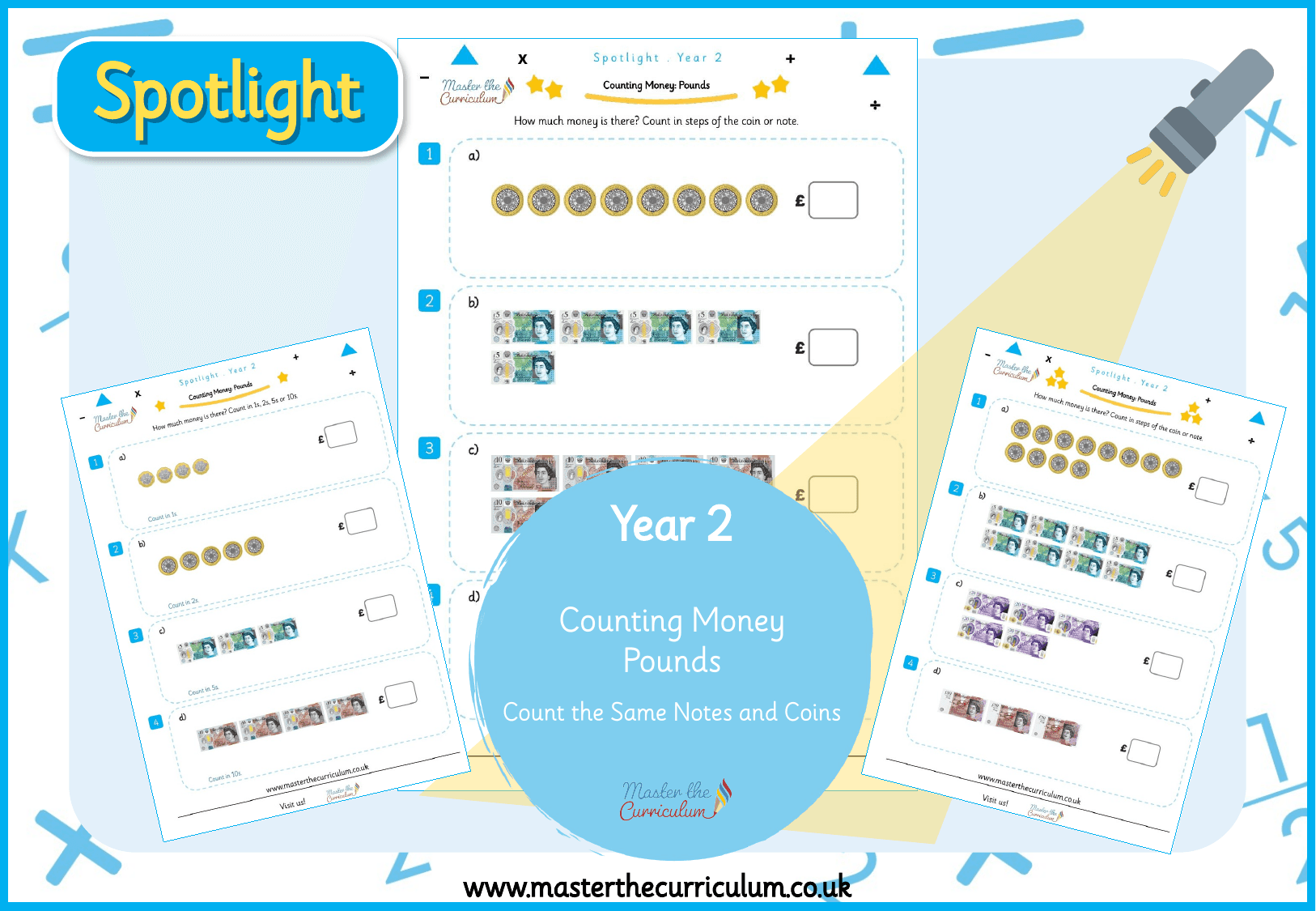
Measurement
masterthecurriculum.co.uk
3 levels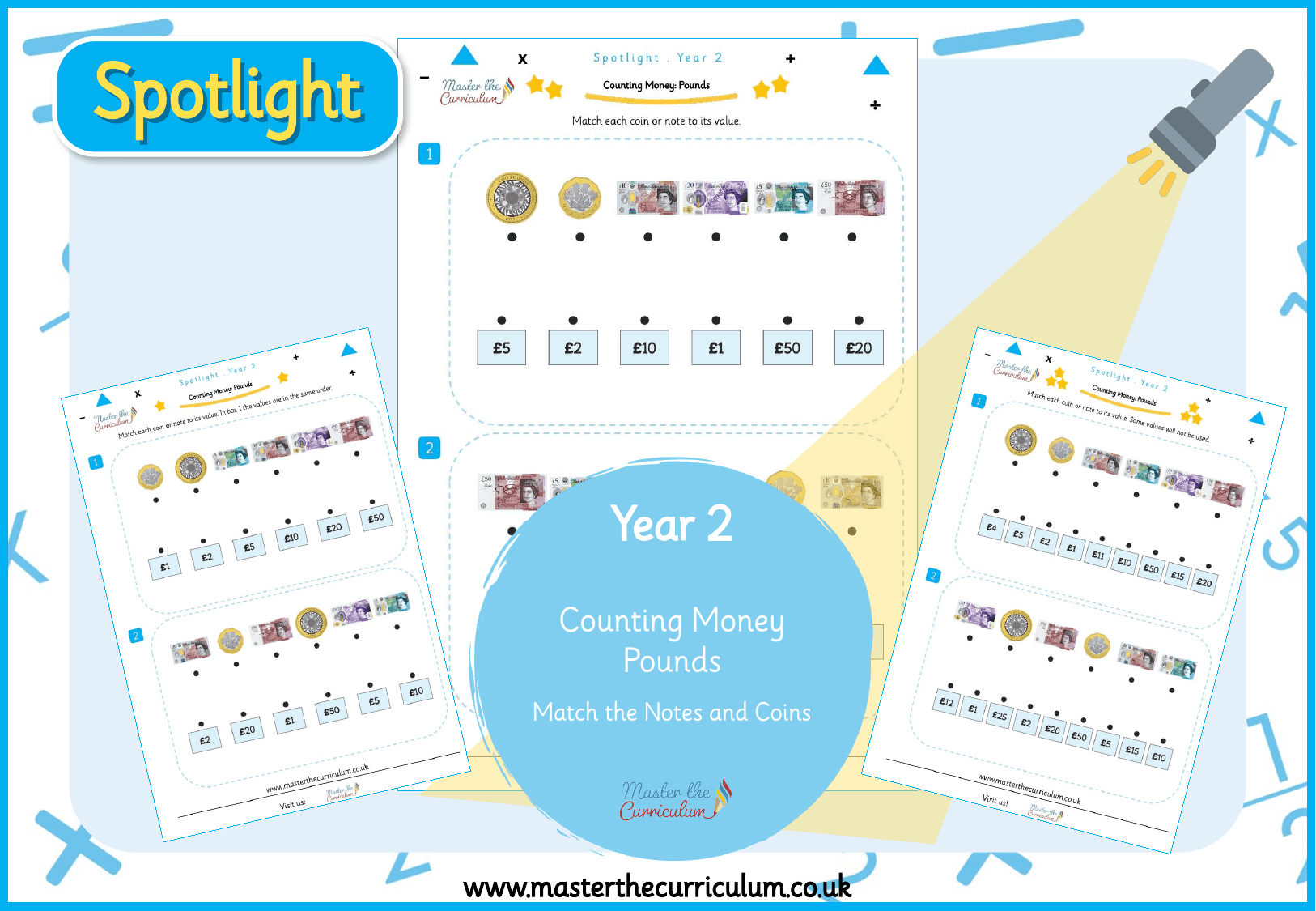
Measurement
masterthecurriculum.co.uk
3 levels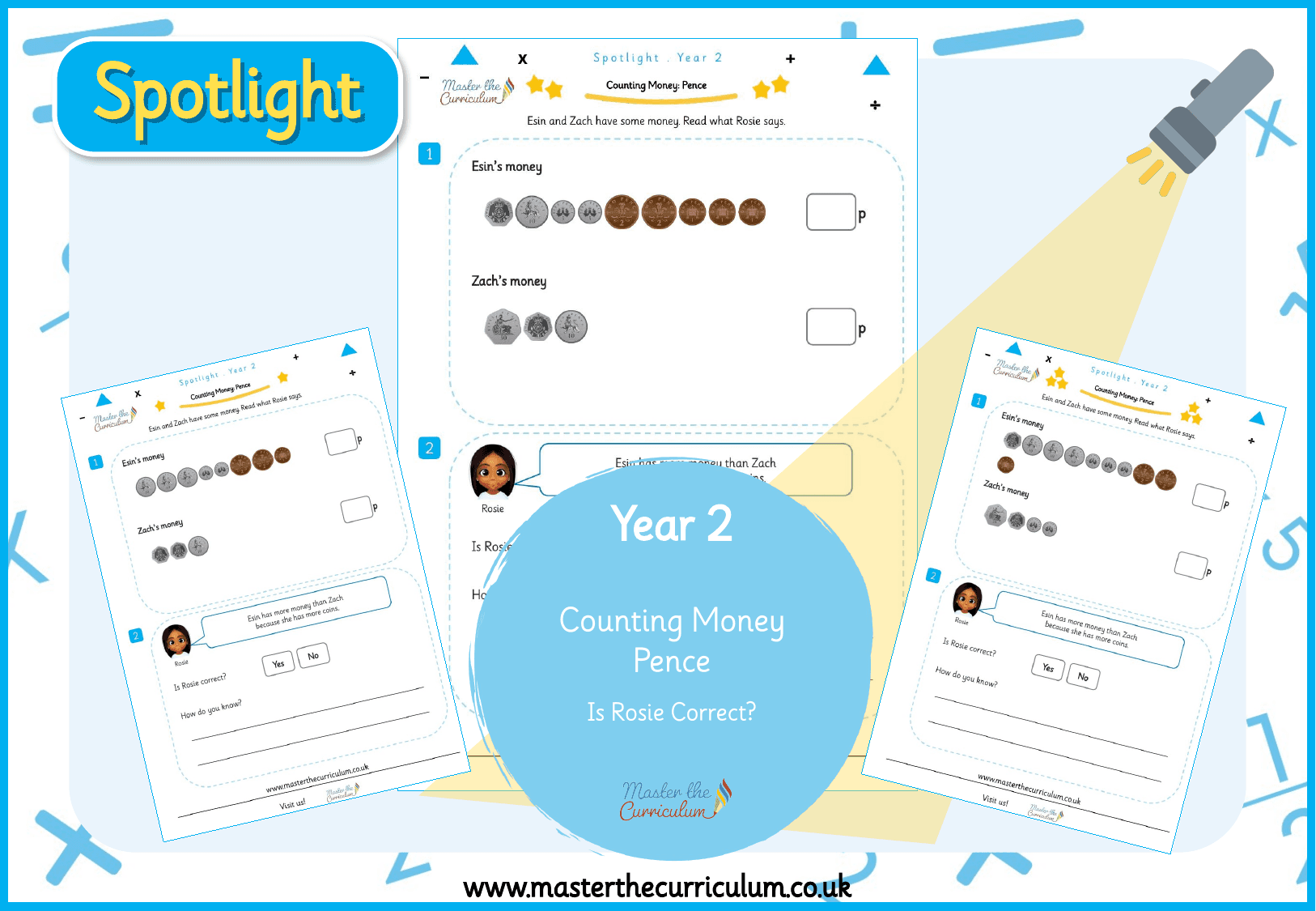
Measurement
masterthecurriculum.co.uk
3 levels
Measurement
masterthecurriculum.co.uk
3 levels