
Nur
Nursery Rhymes
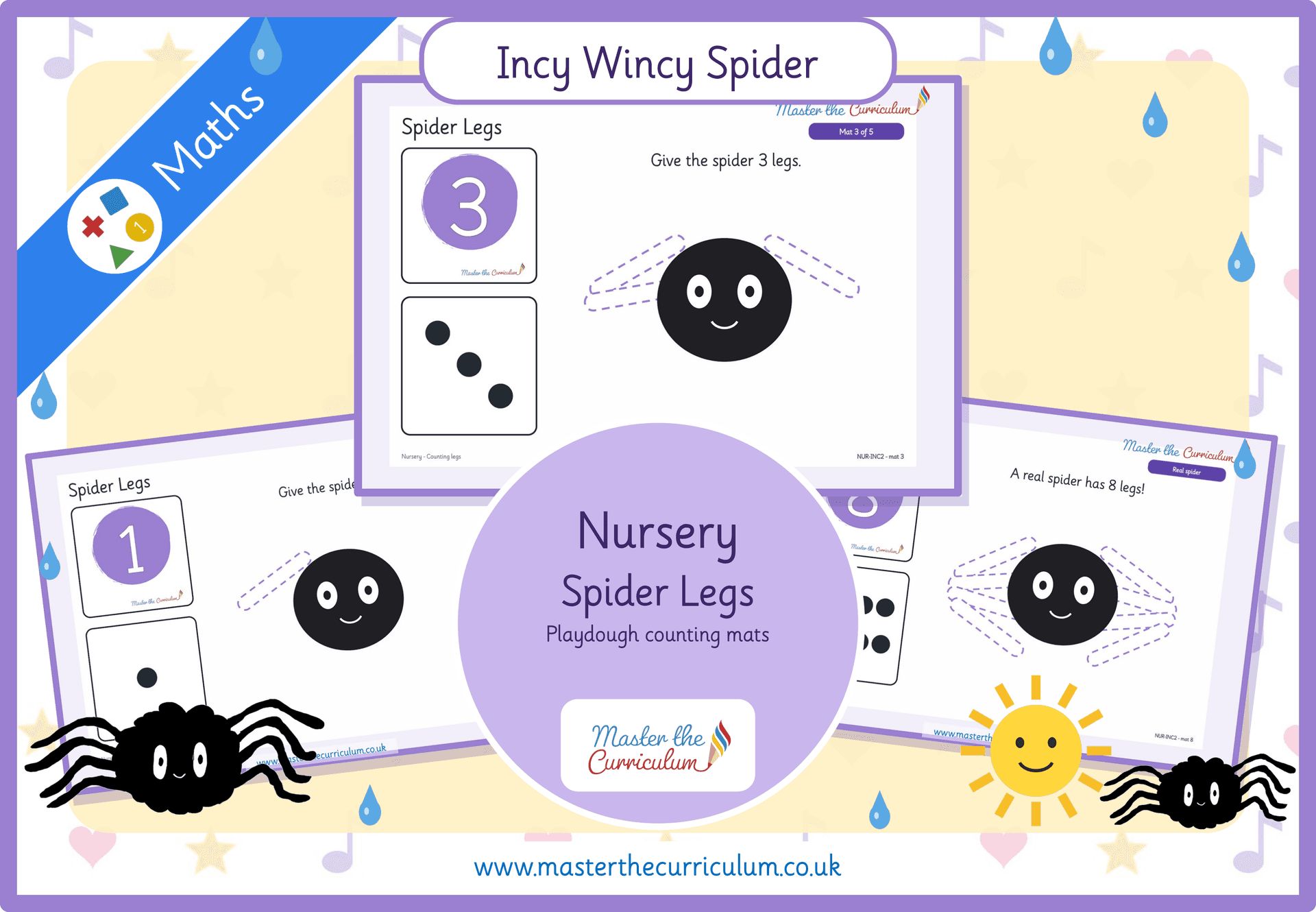
Nursery Spider Legs: playdough counting mats
masterthecurriculum.co.uk
Included with membership
Trusted by primary teachers across the UK · New resources every week
Five dishes and five spoons in matching colours for one-to-one matching and counting pairs. • Teacher guide with Development Matters links. • A landscape pairs mat. • 5 spoon cards. Linked to Development Matters for three and four-year-olds. Print-ready PDF.
Preview only. The download is one file, listed in full below.
Every page is shown before you download. The files themselves come with membership, or sign in if you already have one.
Included with membership
Unlock with membershipAlready a member? Sign in and it downloads from this page.
Keep it for later and group it with the rest of the block. No account needed to start.
Dish and Spoon Pairs: match and count pairs. Five dishes and five spoons in matching colours. Children give each dish its spoon, count the pairs and check that every dish has one spoon. It links to a favourite nursery rhyme, so children can sing as they learn. Laminate or print on card so it lasts. What’s included: • Teacher guide with Development Matters links. • A landscape pairs mat. • 5 spoon cards. Ideas for using it: • Find a partner: Match each dish to the same-colour spoon. • One each: Give every dish one spoon. • Count: How many pairs are there? • Missing spoon: Hide a spoon. Which dish has none? Linked to Development Matters (three and four-year-olds): • Link numerals and amounts: for example, showing the right number of objects to match the numeral, up to 5. • Say one number for each item in order: 1,2,3,4,5. • Know that the last number reached when counting a small set of objects tells you how many there are in total (‘cardinal principle’). • Compare quantities using language: ‘more than’, ‘fewer than’. Supplied as a ready-to-print PDF (A4 landscape). Print, laminate and reuse all year.
This pack is print and go. Our catalogue does not list an editable copy of it, so none is offered here rather than promising a file nobody has opened. Page counts are not printed either, because we do not publish them and a guessed number is worse than none.
Nursery Rhymes
masterthecurriculum.co.uk
Nursery Rhymes
masterthecurriculum.co.uk
Maths Activities
masterthecurriculum.co.uk
Maths Activities
masterthecurriculum.co.uk
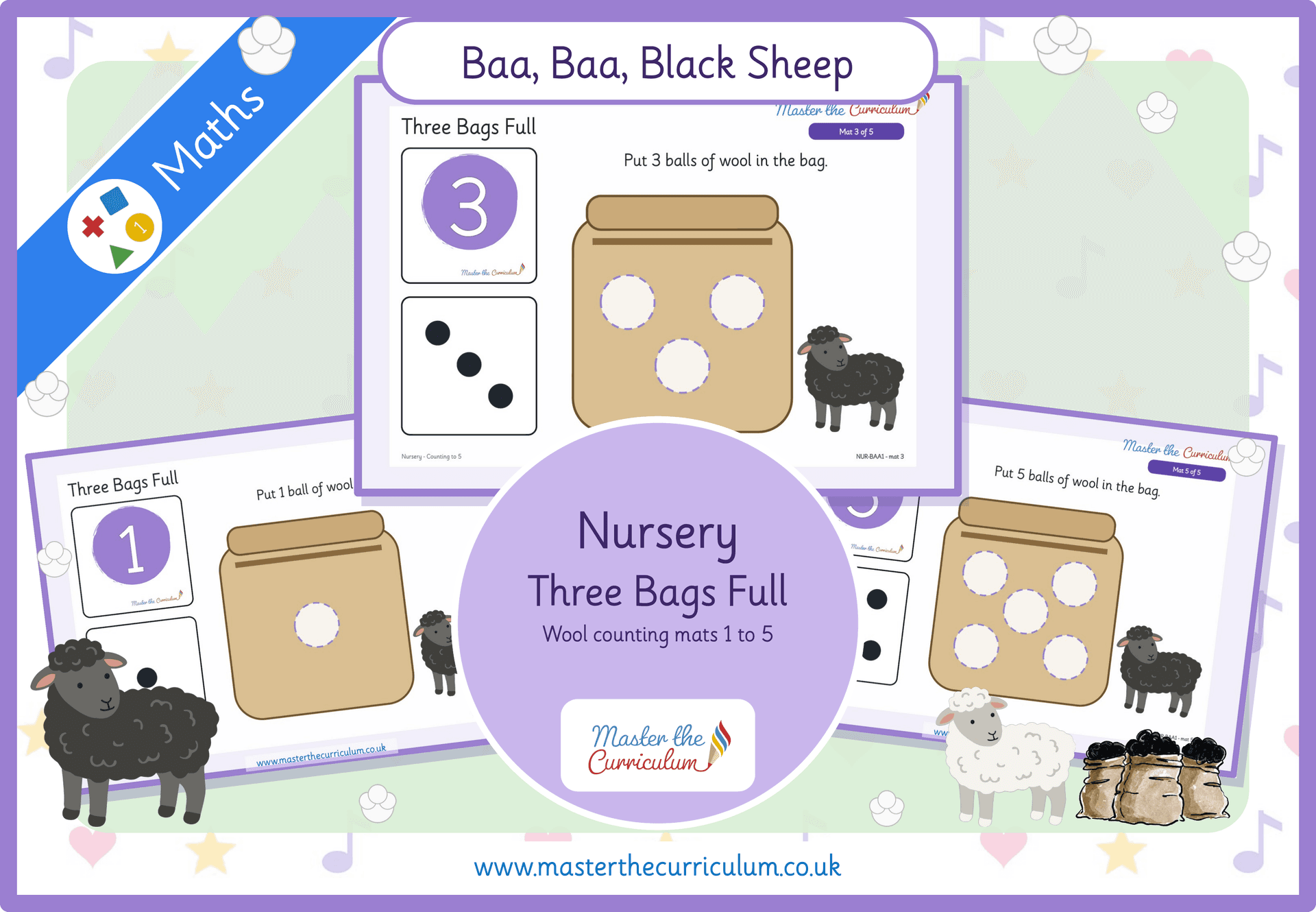
Nursery Rhymes
masterthecurriculum.co.uk
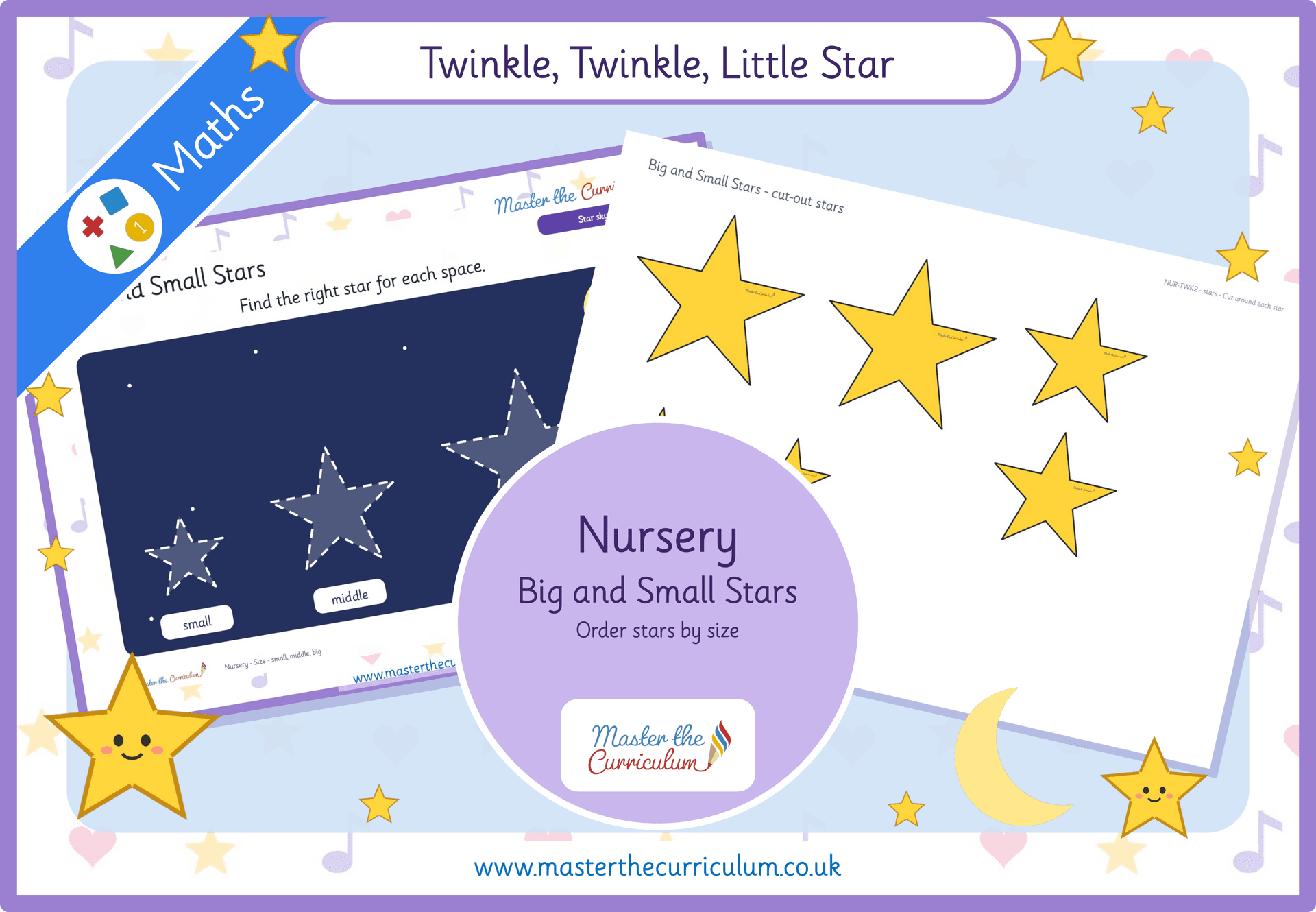
Maths Activities
masterthecurriculum.co.uk
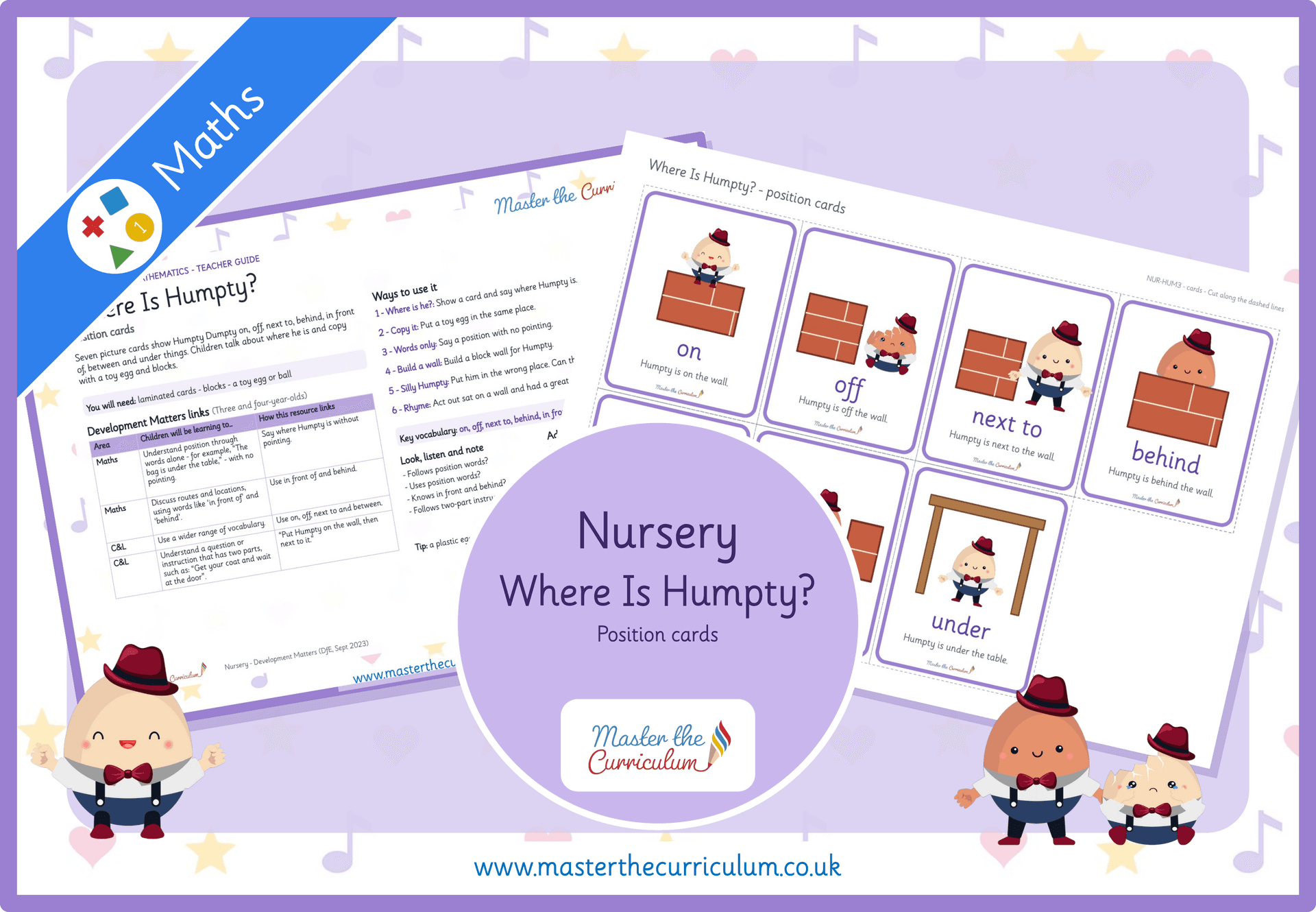
Nursery Rhymes
masterthecurriculum.co.uk
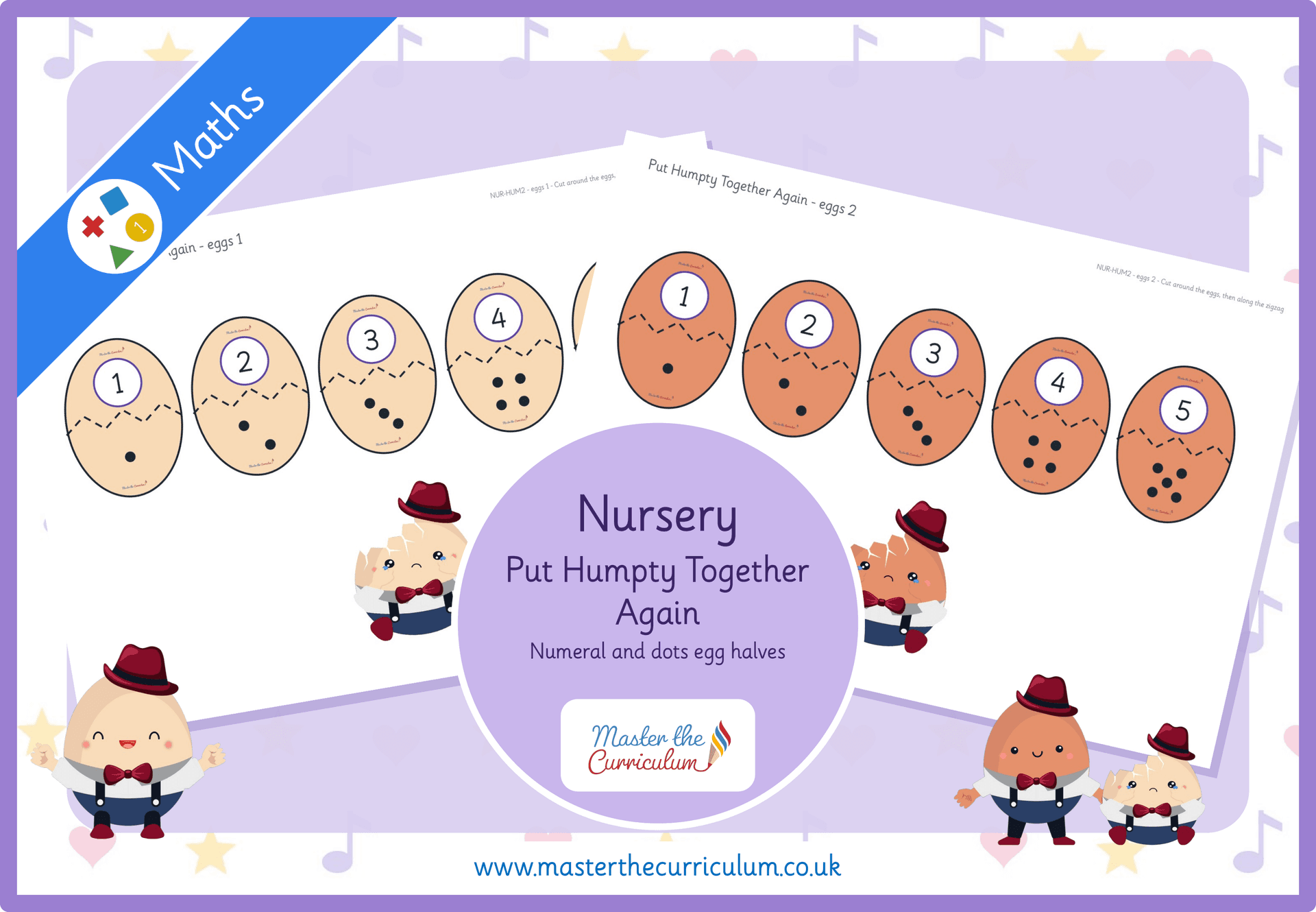
Maths Activities
masterthecurriculum.co.uk