

Y1
Fractions
Spotlight Y1 Find a Half: Split Shapes in Half
masterthecurriculum.co.uk
3 levelsIncluded with membership
Trusted by primary teachers across the UK · New resources every week
Preview only. The download is one file, listed in full below.
Every page is shown before you download. The files themselves come with membership, or sign in if you already have one.
Included with membership
Unlock with membershipAlready a member? Sign in and it downloads from this page.
Keep it for later and group it with the rest of the block. No account needed to start.
Pupils need a lot of experience in exploring and discussing common 2D and 3D shapes. In the process, they should learn to recognise and name, at a minimum: rectangles (including squares), circles, and triangles cuboids (including cubes), cylinders, spheres and pyramids. Pupils need to be able to recognise common shapes when they are presented in a variety of orientations and sizes and relative proportions, including large shapes outside the classroom (such as a rectangle marked on the playground or a circle on a netball court). Pupils should be able to describe, using informal language (for example, “long and thin”), the differences between non-similar examples of the same shapes, and recognise that these are still examples of the given shape. Pupils should practise distinguishing a given named shape type from plausible distractors. These activities should involve exploring shapes (for example, shapes cut from card) rather than only looking at pictures. Language focus Shape a: “This is not a triangle because it has 4 sides.” Shape b or e: “This is a triangle because it has 3 straight sides.” Shape c or d: “This is not a triangle because it has 6 sides.” Shape f: “This is not a triangle because some sides are curved.”
This pack is print and go. Our catalogue does not list an editable copy of it, so none is offered here rather than promising a file nobody has opened. Page counts are not printed either, because we do not publish them and a guessed number is worse than none.
Fractions
masterthecurriculum.co.uk
3 levels
Fractions
masterthecurriculum.co.uk
3 levels
Geometry
masterthecurriculum.co.uk
3 levels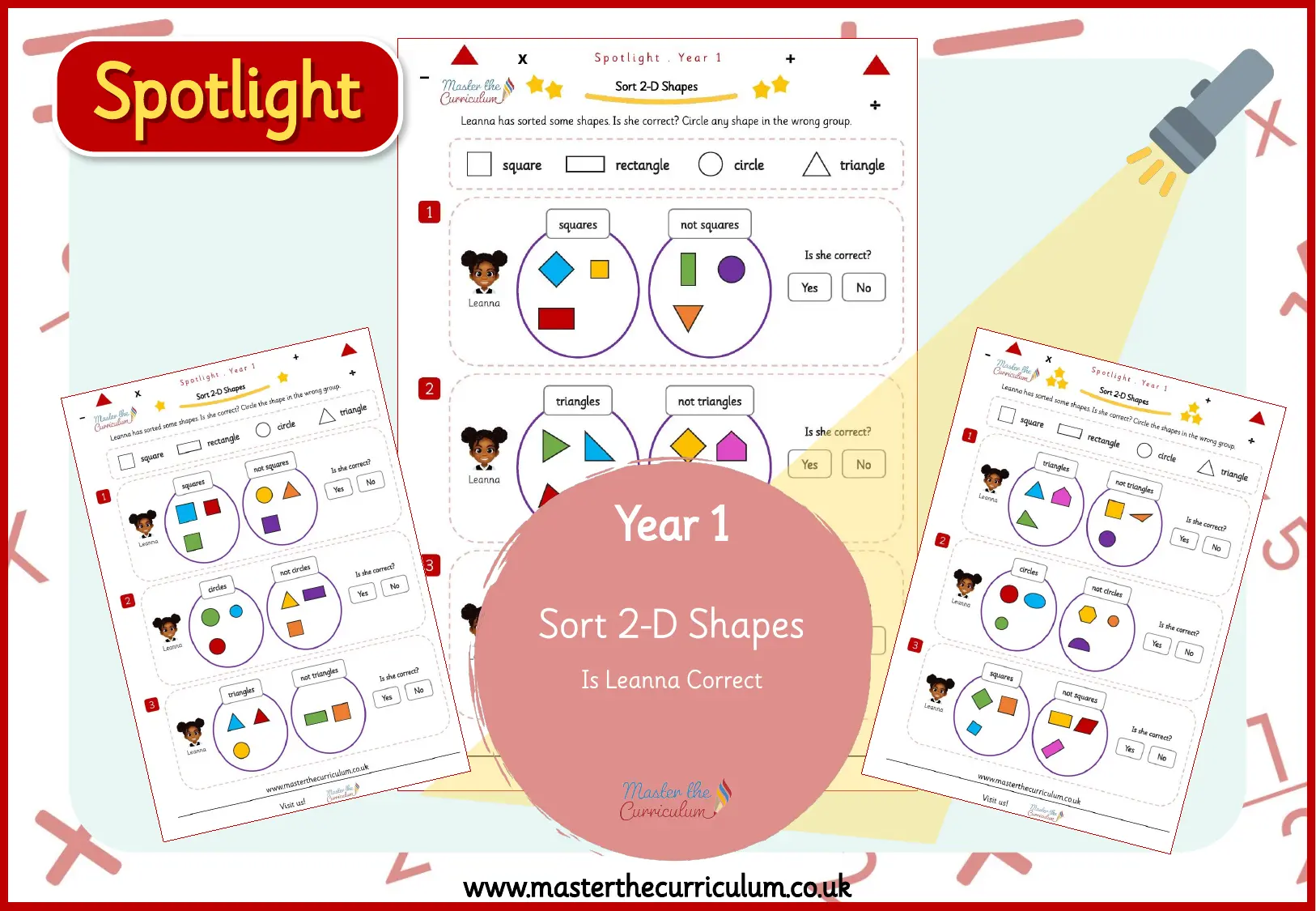
Geometry
masterthecurriculum.co.uk
3 levels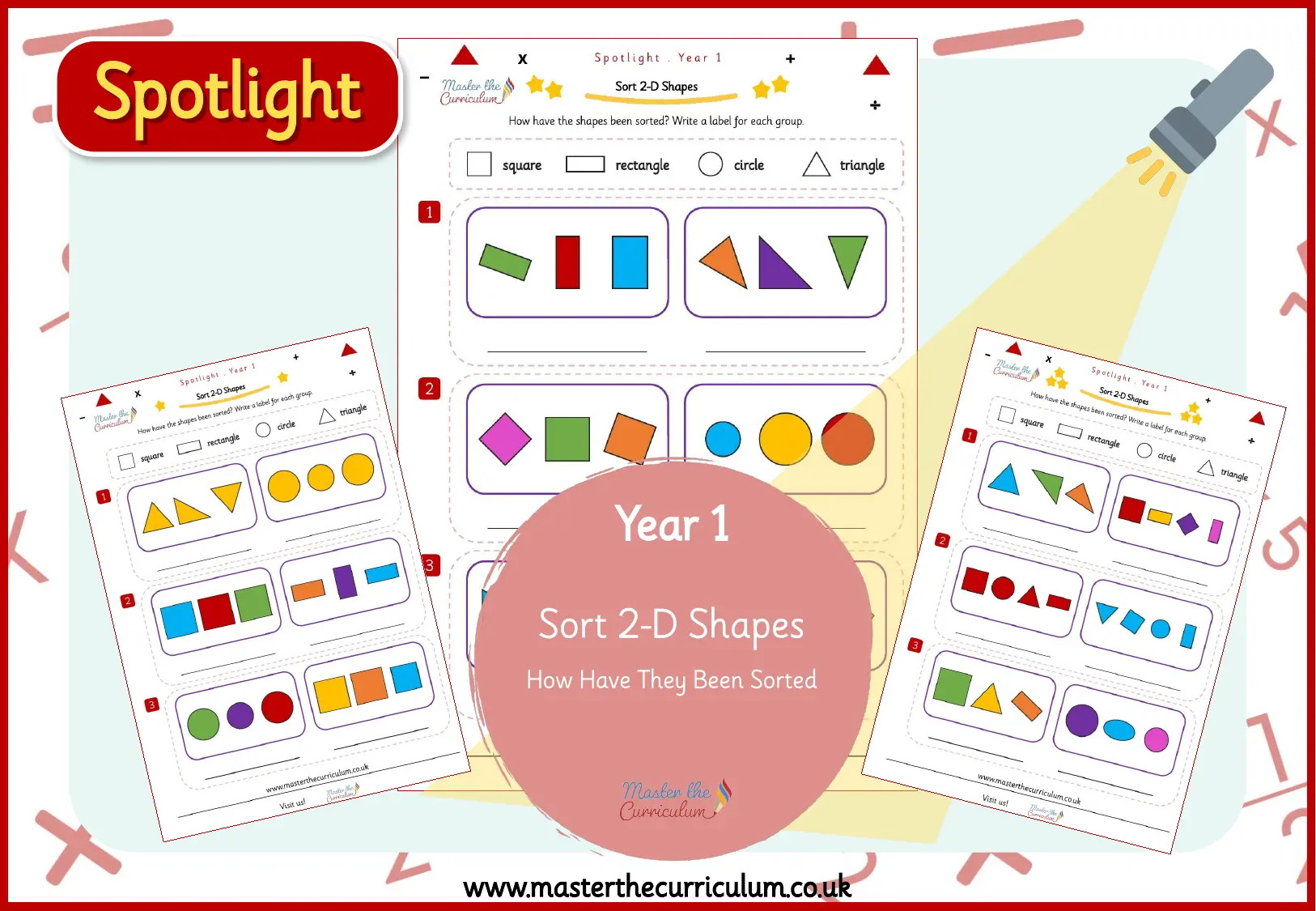
Geometry
masterthecurriculum.co.uk
3 levels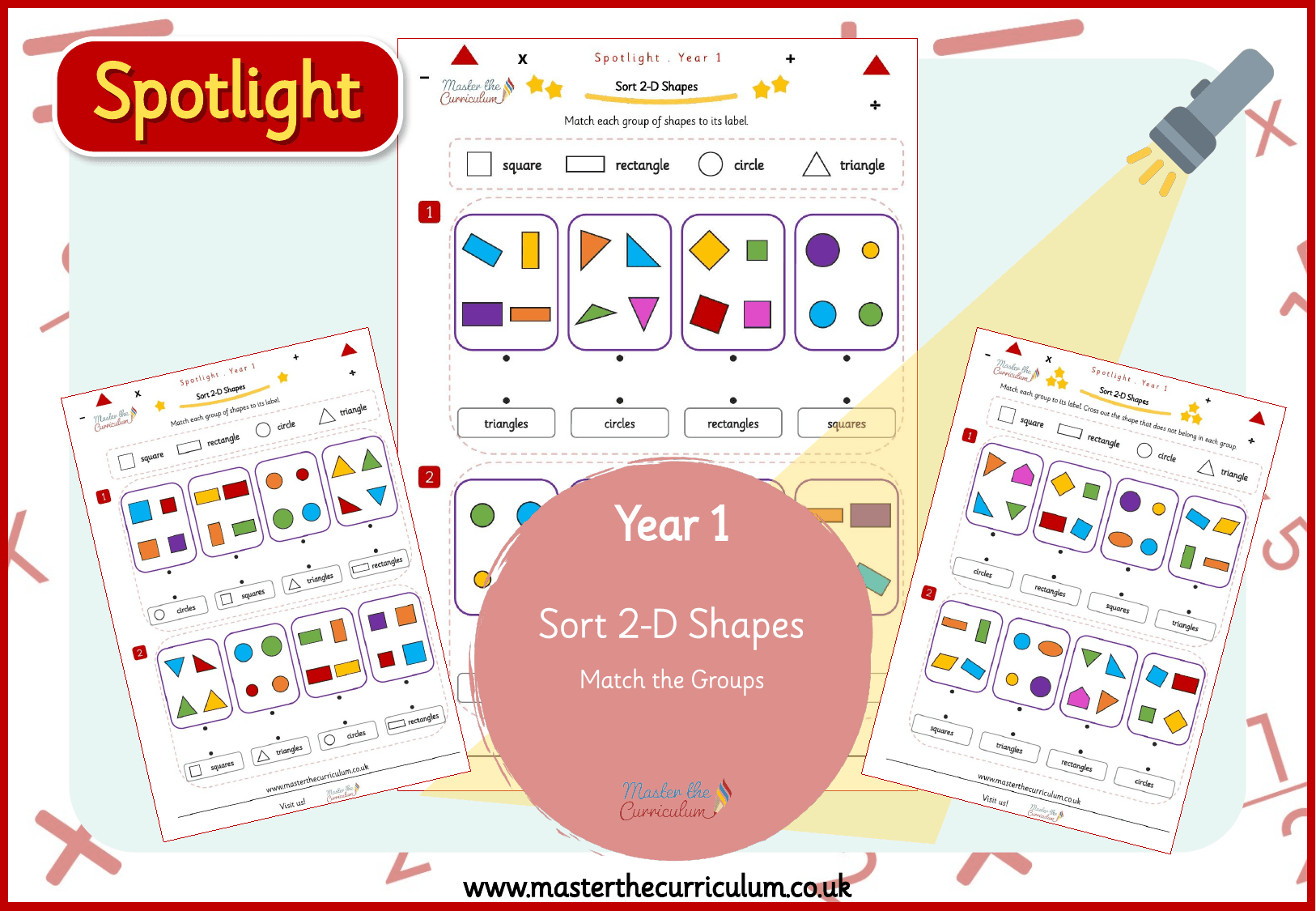
Geometry
masterthecurriculum.co.uk
3 levels
Geometry
masterthecurriculum.co.uk
3 levels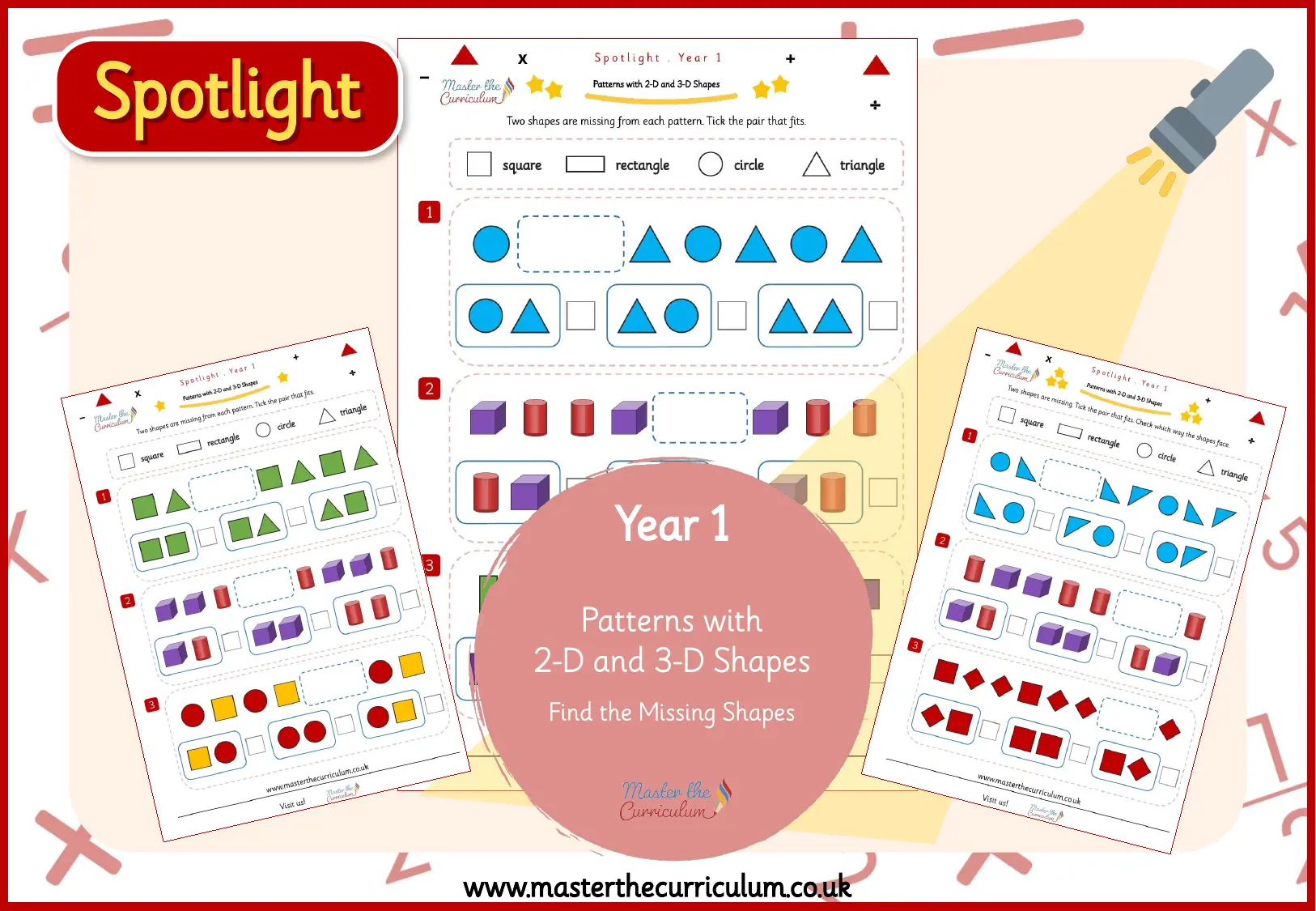
Geometry
masterthecurriculum.co.uk
3 levels