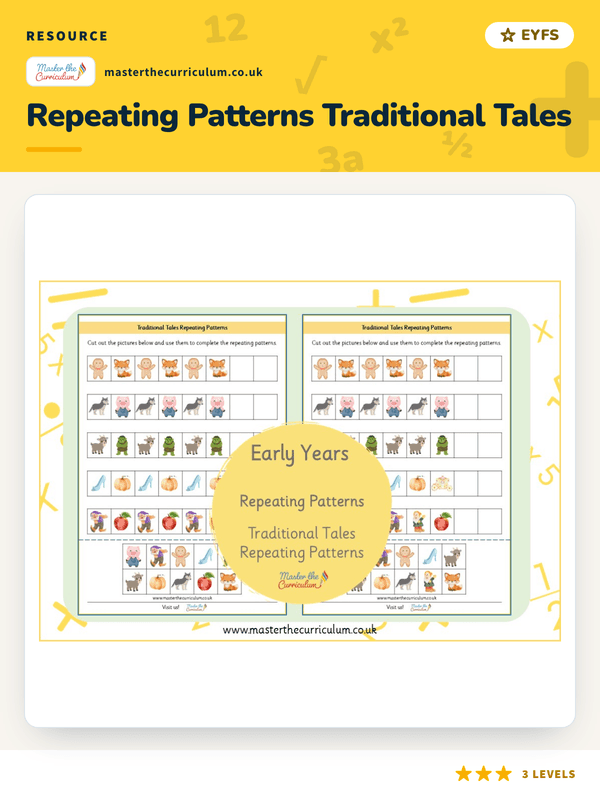
Repeating Patterns Traditional Tales
Included with membership
Trusted by primary teachers across the UK · New resources every week
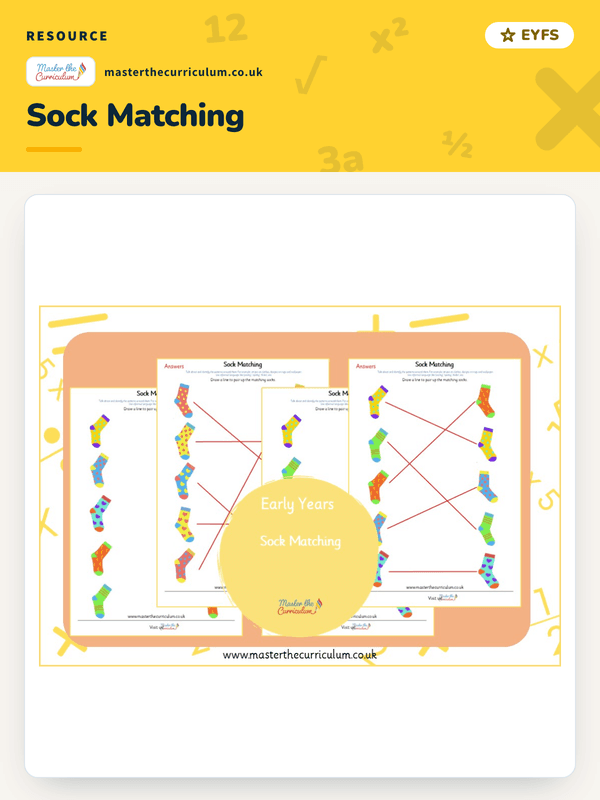
A colourful EYFS/KS1 matching activity where children identify and pair fish with the same patterns. Supports visual discrimination, early pattern recognition, and fine motor skills. Perfect for laminating and reusing.
Preview only. The download is one file, listed in full below.
Every page is shown before you download. The files themselves come with membership, or sign in if you already have one.
Included with membership
Unlock with membershipAlready a member? Sign in and it downloads from this page.
Keep it for later and group it with the rest of the block. No account needed to start.
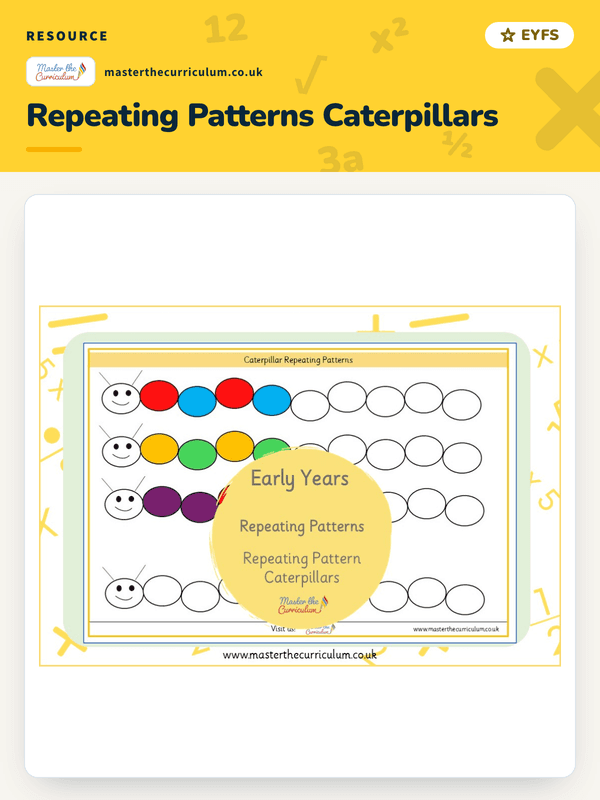
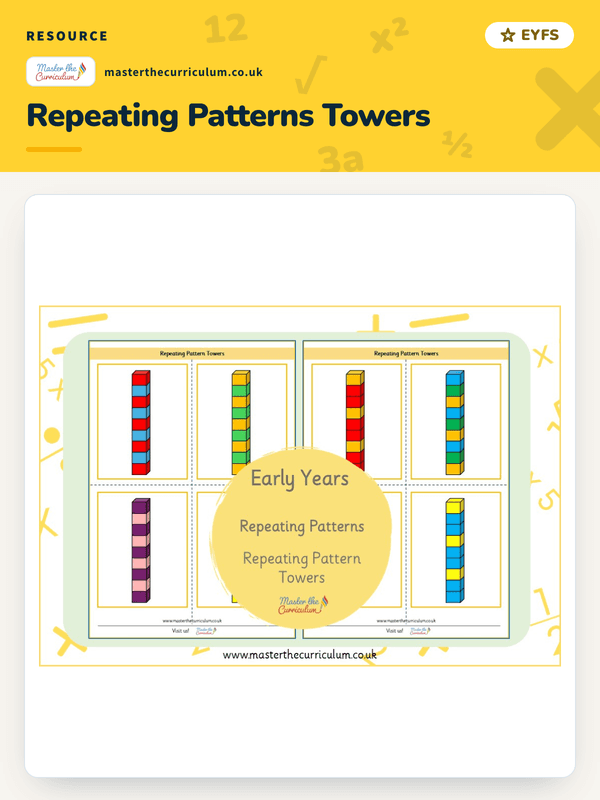
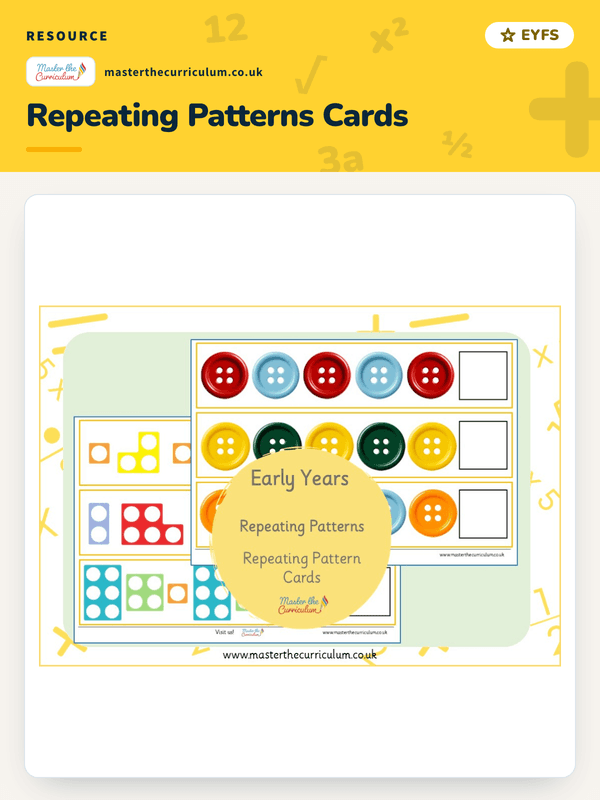
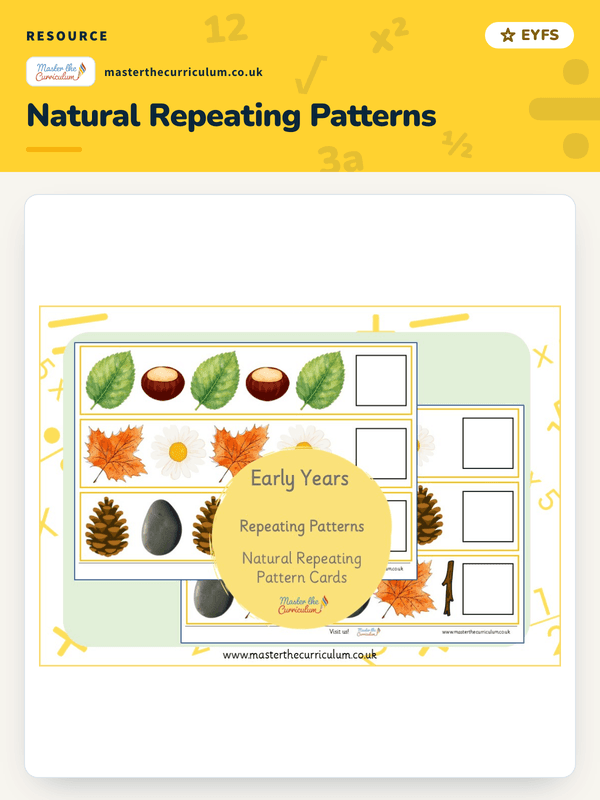
This Fish Matching activity is a fun, visual early-years resource designed to help children develop key observation, comparison, and pattern-recognition skills. Featuring colourful fish with a variety of patterns, shapes, and designs, this activity encourages children to carefully look at each fish and identify pairs that match. Children draw lines to join the matching fish, using informal language such as “spotty,” “stripy,” or “pointy” to describe what they see and deepen their understanding of everyday patterns. Perfect for EYFS and KS1, this resource supports early mathematical development, visual discrimination, and fine motor control. It can be laminated for repeated use in continuous provision, small-group tasks, or independent practice. The activity also helps children notice and talk about patterns in their environment—clothing, rugs, wallpaper, and more—building early vocabulary and strengthening problem-solving skills. Ideal for classroom use, interventions, or home learning, this Fish Matching resource provides a simple yet engaging way to build foundational skills essential for early maths and cognitive development.
This pack is print and go. Our catalogue does not list an editable copy of it, so none is offered here rather than promising a file nobody has opened. Page counts are not printed either, because we do not publish them and a guessed number is worse than none.