Same strand, other year groupsfor support and stretch
NEW 20/21 – Year 4 – Summer – Week 1 Money Lessons 3 and 4 PDF

NEW 20/21 – Year 4 – Summer – Week 1 Money Lessons 1 and 2 PDF

NEW 20/21 – Year 4 – Summer – Week 1 Money (PowerPoint Only)

Year 1 Time Dominoes
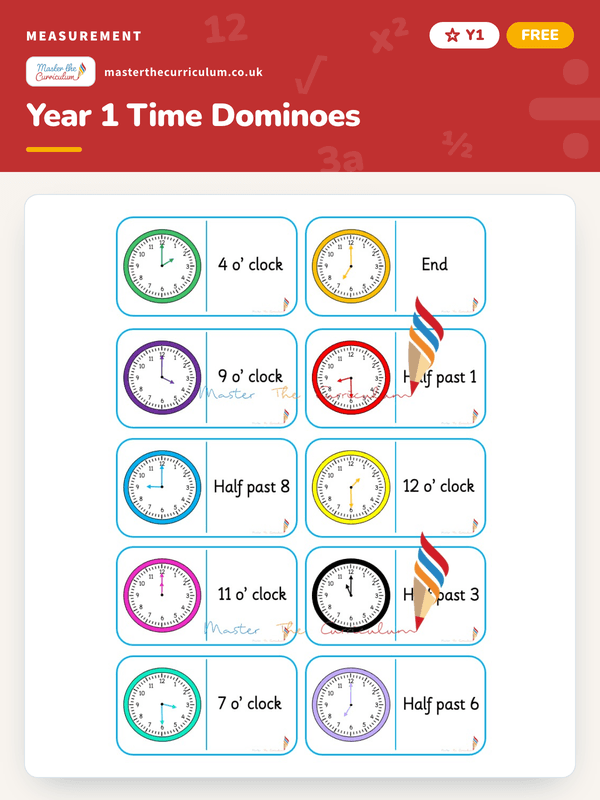
What’s the time Mr Wolf?

Year 3 – Spring – Week 1 Money Revision Starters V2.0

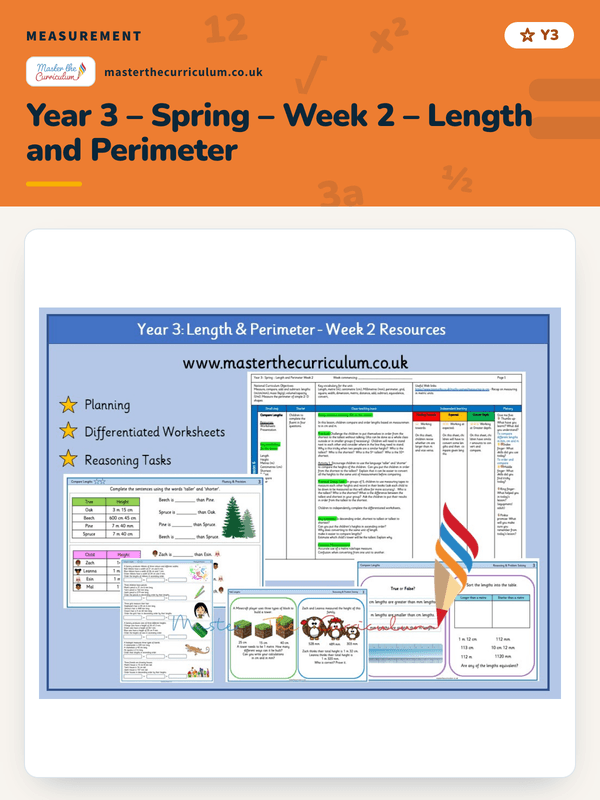
Year 3 – Spring – Week 2 – Length and Perimeter
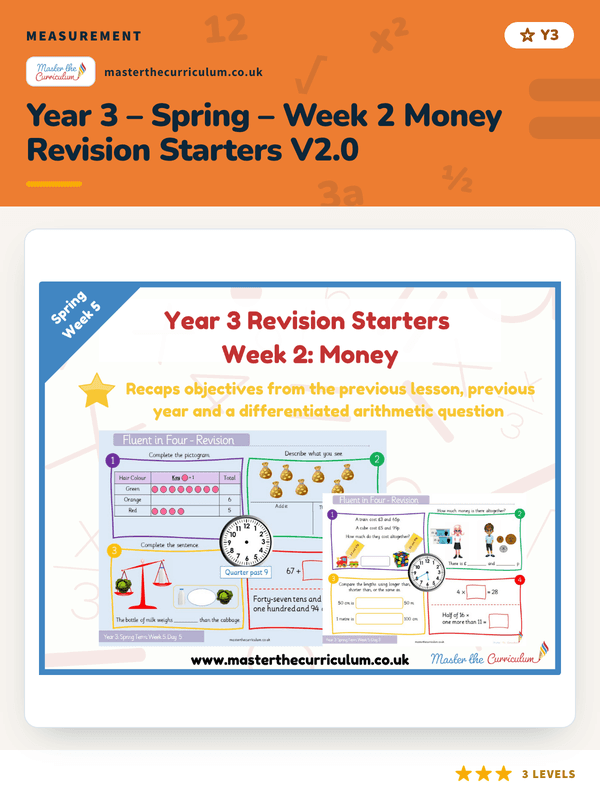
Year 3 – Spring – Week 2 Money Revision Starters V2.0
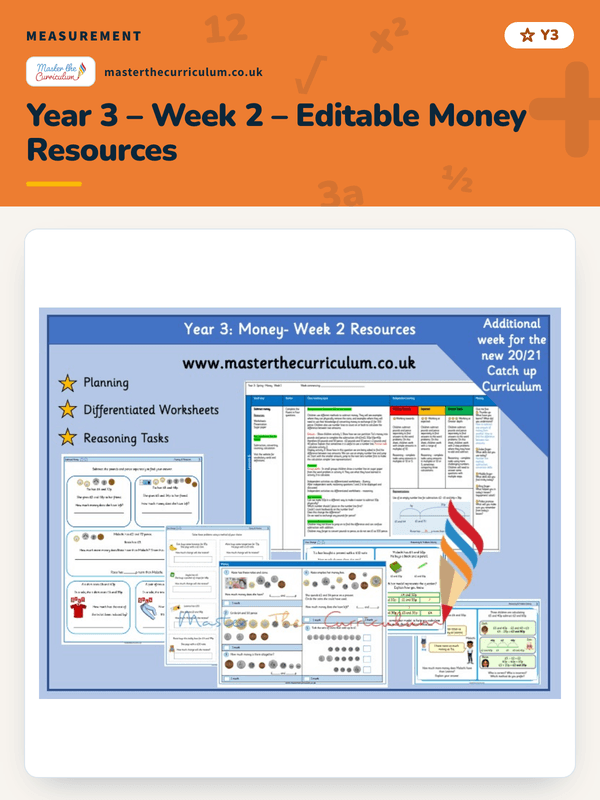
Year 3 – Week 2 – Editable Money Resources
Year 2 – Autumn – Week 2 Money Revision Starters V2.0

Year 2 – Autumn – Week 1 Money Revision Starters V2.0

Year 4- Editable Perimeter And Length Week 2 Resources

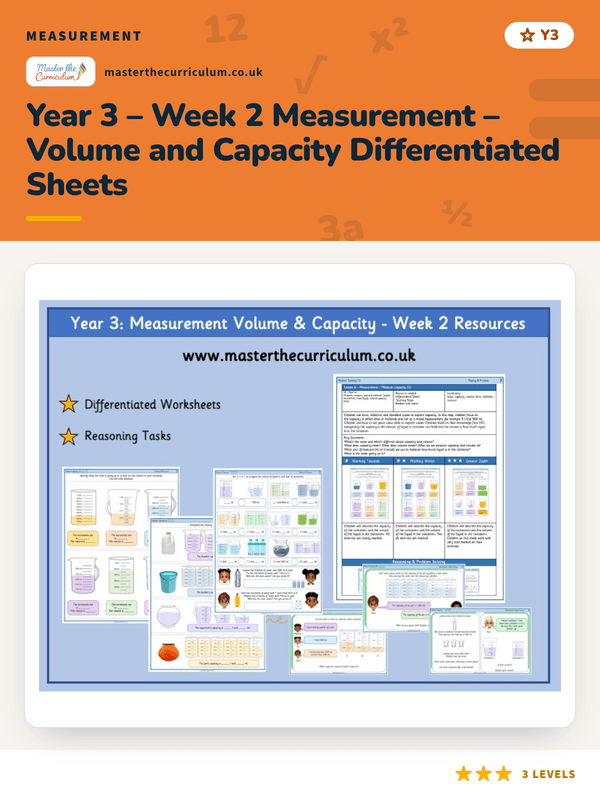
Year 3 – Week 3 Measurement – Volume And Capacity Differentiated Sheets
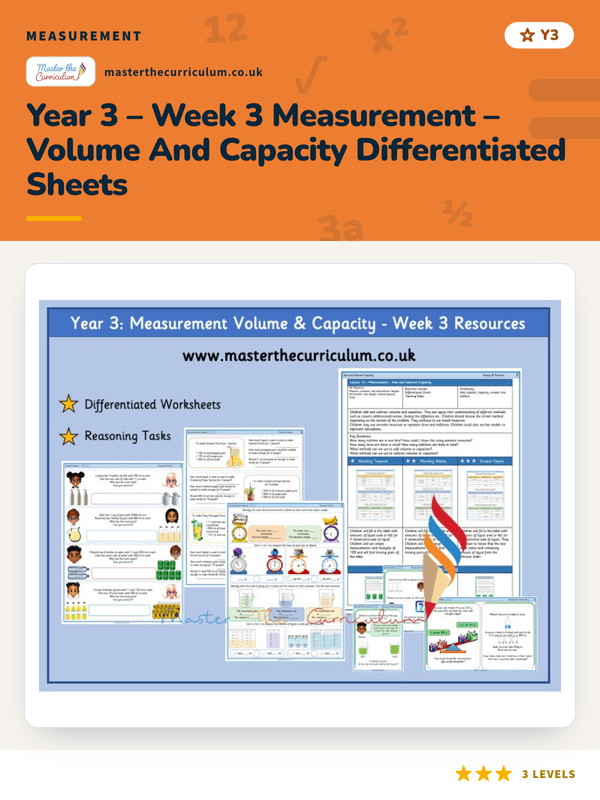
Year 3 – Week 2 Measurement – Volume and Capacity Differentiated Sheets
Year 5- Week 1 Differentiated Volume Resources

Year 2 – Free Time Planning
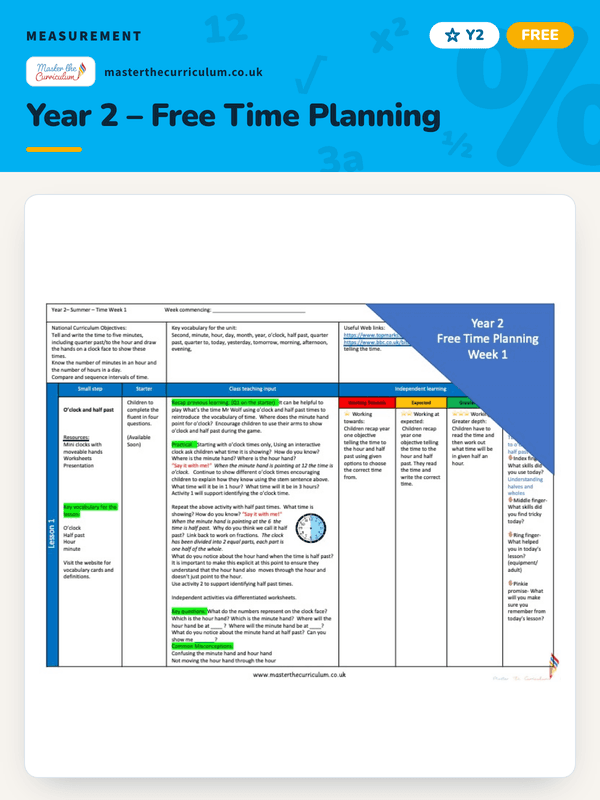
Year 3 – Free Time Planning – Week 1

Year 4 Money Resources- Week 2

Year 4 – Free Money Planning – Week 1

Year 2 Time Vocabulary Cards
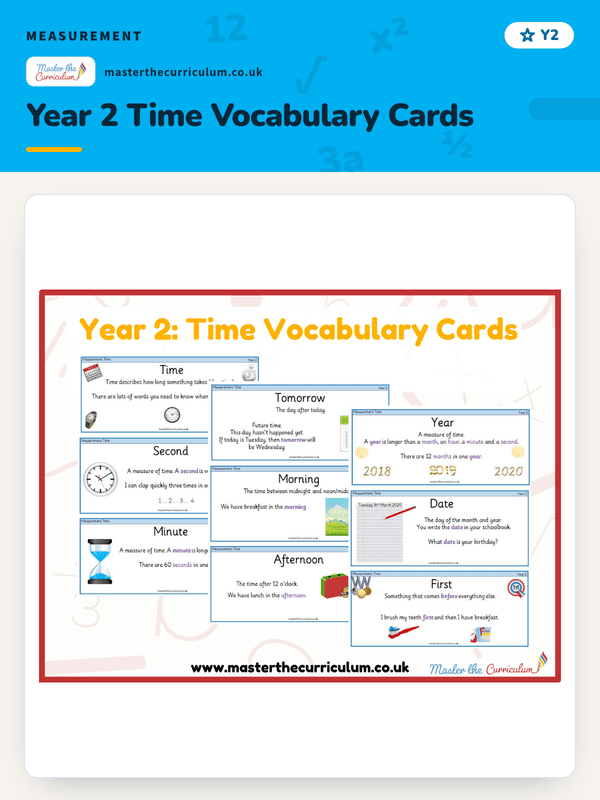
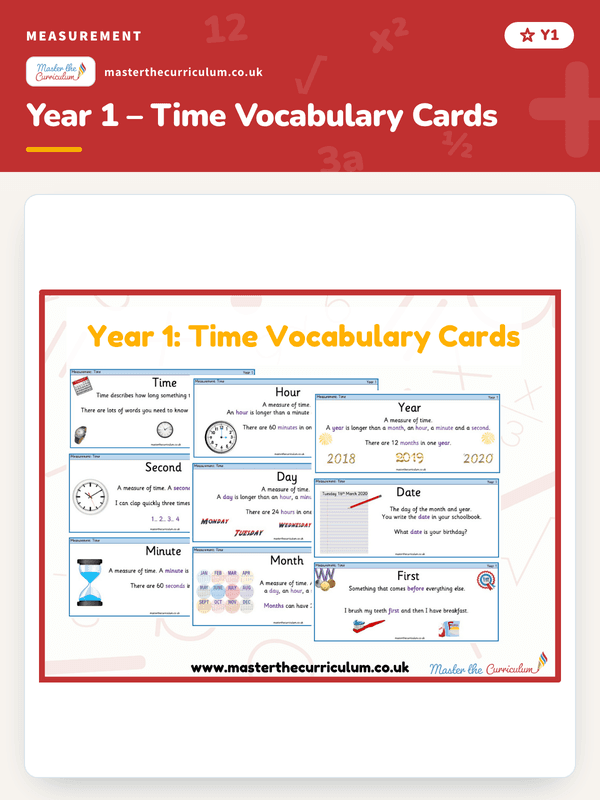
Year 1 – Time Vocabulary Cards
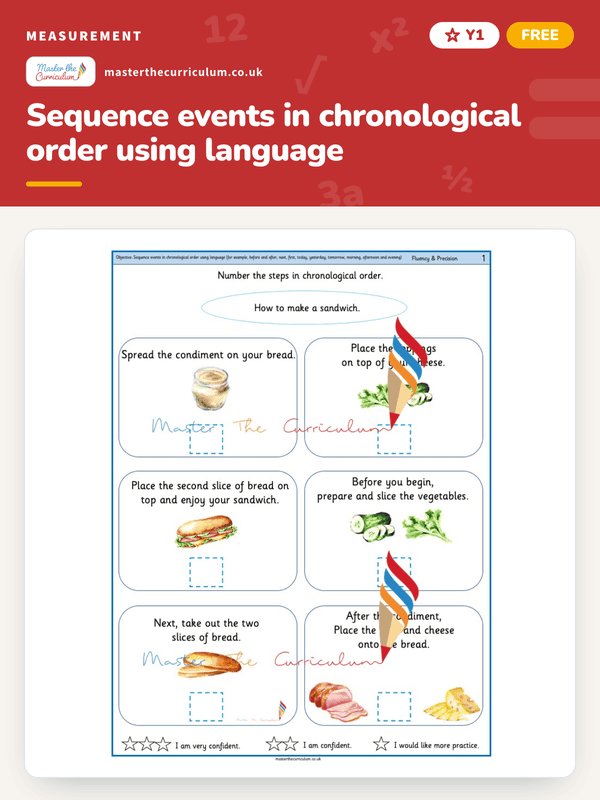
Sequence events in chronological order using language
Recognise that shapes with the same areas can have different perimeters and vice versa

Recognise that shapes with the same areas can have different perimeters and vice versa

Recognise that shapes with the same areas can have different perimeters and vice versa

Recognise that shapes with the same areas can have different perimeters and vice versa

Recognise that shapes with the same areas can have different perimeters and vice versa

Recognise that shapes with the same areas can have different perimeters and vice versa

Recognise when it is possible to use formulae for area and volume of shapes

Recognise when it is possible to use formulae for area and volume of shapes

Recognise when it is possible to use formulae for area and volume of shapes

Recognise when it is possible to use formulae for area and volume of shapes

Recognise when it is possible to use formulae for area and volume of shapes

Recognise when it is possible to use formulae for area and volume of shapes

Calculate, estimate and compare volume of cubes and cuboids using standards units, including cubic centimetres and cubic metres (m3), and extending to other units [for example, mm3 and km3] – year 6 reasoning

Calculate, estimate and compare volume of cubes and cuboids using standards units, including cubic centimetres and cubic metres (m3), and extending to other units [for example, mm3 and km3] – year 6 reasoning

Calculate, estimate and compare volume of cubes and cuboids using standards units, including cubic centimetres and cubic metres (m3), and extending to other units [for example, mm3 and km3] – year 6 reasoning

Calculate, estimate and compare volume of cubes and cuboids using standards units, including cubic centimetres and cubic metres (m3), and extending to other units [for example, mm3 and km3] – year 6 reasoning

Calculate, estimate and compare volume of cubes and cuboids using standards units, including cubic centimetres and cubic metres (m3), and extending to other units [for example, mm3 and km3] – year 6 reasoning

Calculate, estimate and compare volume of cubes and cuboids using standards units, including cubic centimetres and cubic metres (m3), and extending to other units [for example, mm3 and km3] – year 6 reasoning?

Use, read, write and convert between standard units, converting measurements of length

Use, read, write and convert between standard units, converting measurements of length

Use, read, write and convert between standard units, converting measurements of length

Use, read, write and convert between standard units, converting measurements of length

Use, read, write and convert between standard units, converting measurements of length

Solve problems involving the calculation and conversion of units of measure

Solve problems involving the calculation and conversion of units of measure

Solve problems involving the calculation and conversion of units of measure

